

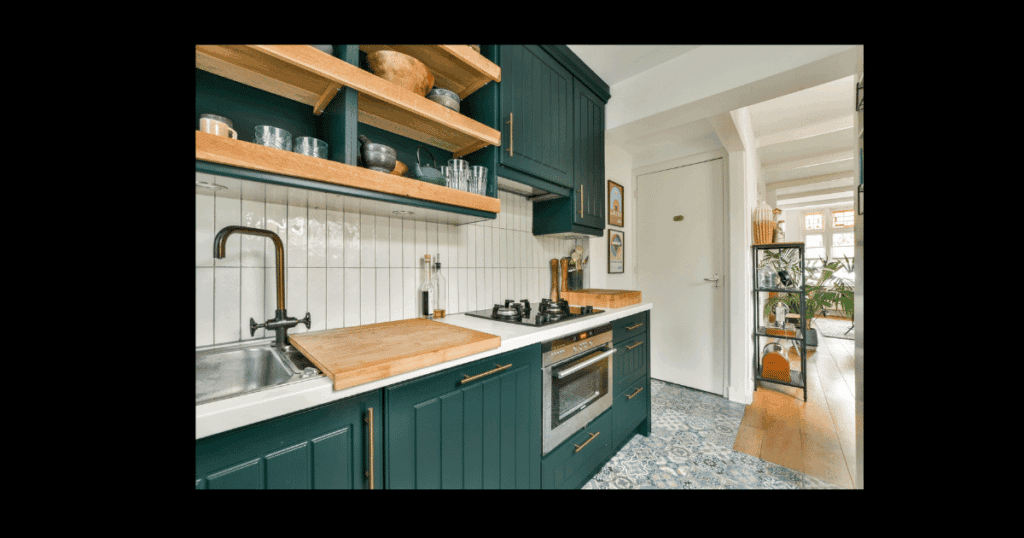
Have you ever tried following a Spanish recipe or shopping in a local market while traveling and realized you didn’t know the names of common kitchen items?
You’re not alone! Learning Spanish kitchen vocabulary is one of the easiest ways to build practical language skills because these words appear in daily conversations, cooking shows, recipes, and restaurants.
Whether you’re studying Spanish for travel, family, or fun, knowing the names of kitchen tools, appliances, and cooking essentials will help you communicate more naturally. In this guide, you’ll discover essential vocabulary, pronunciation tips, real-life examples, and cultural differences between Spain and Latin America — and if you want to actually hear these words pronounced correctly, AI language apps like Babbel are great for that.
Spanish Kitchen Vocabulary List (10 minutes challenge)
GO THROUGH THIS TABLE AGAIN AND AGAIN FOR 10 MINUTES AND SEE THE DIFFERENCE.
The table below is a beginner-friendly spanish kitchen vocabulary reference with the most common kitchen vocabulary in spanish used every day. If you want to learn spanish faster, these spanish kitchen words will help you recognize common objects found in almost every kitchen in spanish conversation. Keep this spanish vocabulary list handy while practicing spanish language basics and everyday spanish words.
| Spanish Word | English Translation | Pronunciation |
|---|---|---|
| Aceite | Oil | ah-SAY-ee-teh |
| Azúcar | Sugar | ah-SOO-kar |
| Batidora | Blender | bah-tee-DOH-rah |
| Botella | Bottle | boh-TEH-yah |
| Café | Coffee | kah-FEH |
| Cazuela | Casserole dish | kah-SWEH-lah |
| Cebolla | Onion | seh-BOY-yah |
| Cuchara | Spoon | koo-CHAH-rah |
| Cucharilla | Teaspoon | koo-chah-REE-yah |
| Cuchillo | Knife | koo-CHEE-yoh |
| Encimera | Countertop | en-see-MEH-rah |
| Especias | Spices | ess-PEH-see-ahs |
| Estufa | Stove | ees-TOO-fah |
| Fregadero | Sink | freh-gah-DEH-roh |
| Frigorífico | Refrigerator | free-goh-ree-FEE-koh |
| Horno | Oven | OR-noh |
| Jarra | Pitcher | HAH-rrah |
| Lavavajillas | Dishwasher | lah-vah-vah-HEE-yas |
| Leche | Milk | LEH-cheh |
| Licuadora | Blender | lee-koo-ah-DOH-rah |
| Mantequilla | Butter | mahn-teh-KEE-yah |
| Mesa | Table | MEH-sah |
| Microondas | Microwave | mee-kroh-ON-dahs |
| Nevera | Fridge | neh-BEH-rah |
| Olla | Pot | OH-yah |
| Pan | Bread | pahn |
| Papel aluminio | Aluminum foil | pah-PEL ah-loo-MEE-nee-oh |
| Pimienta | Pepper | pee-mee-EN-tah |
| Plato | Plate | PLAH-toh |
| Refrigerador | Refrigerator | reh-free-heh-rah-DOHR |
| Sartén | Frying pan | sar-TEN |
| Sal | Salt | sahl |
| Servilleta | Napkin | ser-vee-YEH-tah |
| Sartén honda | Deep pan | sar-TEN ON-dah |
| Taza | Cup | TAH-sah |
| Tazón | Bowl | tah-SON |
| Tenedor | Fork | teh-neh-DOHR |
| Tetera | Teapot | teh-TEH-rah |
| Tijeras | Scissors | tee-HEH-rahs |
| Toalla | Towel | toh-AH-yah |
| Tabla de cortar | Cutting board | TAH-blah deh kor-TAR |
| Tapadera | Lid | tah-pah-DEH-rah |
| Vaso | Glass | BAH-soh |
| Vinagre | Vinegar | bee-NAH-greh |
| Cocina | Kitchen | koh-SEE-nah |
| Congelador | Freezer | kon-heh-lah-DOHR |
| Colador | Strainer | koh-lah-DOHR |
| Escurridor | Drying rack | ess-koo-rree-DOHR |
| Exprimidor | Juicer | eks-pree-mee-DOHR |
| Embudo | Funnel | em-BOO-doh |
| Molinillo | Grinder | moh-lee-NEE-yoh |
| Mortero | Mortar | mor-TEH-roh |
| Pelador | Peeler | peh-lah-DOHR |
| Rallador | Grater | rah-yah-DOHR |
| Receta | Recipe | reh-SEH-tah |
| Temporizador | Timer | tem-poh-ree-sah-DOHR |
| Trapo | Dish cloth | TRAH-poh |
| Utensilio | Utensil | oo-ten-SEE-lee-oh |
| Huevo | Egg | WEH-boh |
| Harina | Flour | ah-REE-nah |
| Arroz | Rice | ah-RROTH (Spain), ah-ROS (Latin America) |
| Carne | Meat | KAR-neh |
| Pollo | Chicken | POH-yoh |
| Pescado | Fish | pes-KAH-doh |
| Verduras | Vegetables | ber-DOO-rahs |
| Fruta | Fruit | FROO-tah |
| Queso | Cheese | KEH-soh |
| Agua | Water | AH-gwah |
| Jugo | Juice | HOO-goh |
| Hielo | Ice | YEH-loh |
| Postre | Dessert | POS-treh |
| Cocina de gas | Gas stove | koh-SEE-nah deh gas |
| Cocina eléctrica | Electric stove | koh-SEE-nah eh-LEK-tree-kah |
| Campana extractora | Range hood | kam-PAH-nah eks-trak-TOH-rah |
| Alacena | Pantry | ah-lah-SEH-nah |
| Despensa | Pantry | des-PEN-sah |
| Fósforos | Matches | FOSS-foh-rohs |
Spanish Kitchen Appliances Vocabulary
Learning kitchen appliances in spanish makes everyday conversations feel much easier, especially when cooking, shopping, or staying with a host family. I still remember mixing up the refrigerator in spanish and freezer on my first trip, and everyone smiled before correcting me. Little moments like that stick with you.
| Appliance | Spanish | Pronunciation |
|---|---|---|
| Refrigerator | Refrigerador / Nevera | reh-free-heh-rah-DOHR / neh-BEH-rah |
| Oven | Horno | OR-noh |
| Microwave | Microondas | mee-kroh-ON-dahs |
| Stove | Estufa | es-TOO-fah |
| Dishwasher | Lavavajillas | lah-vah-vah-HEE-yas |
| Freezer | Congelador | kon-heh-lah-DOHR |
| Coffee maker | Cafetera | kah-feh-TEH-rah |
| Blender | Licuadora | lee-koo-ah-DOH-rah |
| Toaster | Tostadora | tos-tah-DOH-rah |
| Electric kettle | Hervidor eléctrico | er-vee-DOHR eh-LEK-tree-koh |
| Rice cooker | Arrocera | ah-rroh-SEH-rah |
| Washing machine | Lavadora | lah-vah-DOH-rah |
When practicing, say each word aloud while pointing to the appliance in your home. That simple habit helped me remember microwave in spanish, oven in spanish, stove in spanish, dishwasher in spanish, blender in spanish, coffee maker in spanish, and the refrigerator in spanish much faster. Add these terms to your spanish vocabulary, keep expanding your spanish vocabulary list, and you’ll soon recognize common spanish words naturally as you learn spanish and enjoy the spanish language.
If you ever want to double-check a word’s exact meaning, gender, or regional usage, the Real Academia Española’s official dictionary is the most trusted reference for standard Spanish and a great habit to build alongside vocabulary practice.
Spanish Kitchen Utensils Vocabulary
Kitchen utensils in spanish are some of the first words you’ll use while cooking, following a recipe, or helping in someone else’s kitchen. I found them much easier to remember once I started matching each word with the actual object instead of memorizing random lists. If you want practical kitchen tools in spanish, this quick reference covers the essentials you’ll hear every day.
| English | Spanish | Pronunciation |
|---|---|---|
| Spoon | Cuchara | koo-CHAH-rah |
| Fork | Tenedor | teh-neh-DOHR |
| Knife | Cuchillo | koo-CHEE-yoh |
| Cutting board | Tabla de cortar | TAH-blah deh kor-TAR |
| Spatula | Espátula | es-PAH-too-lah |
| Whisk | Batidor | bah-tee-DOHR |
| Ladle | Cucharón | koo-chah-RON |
| Tongs | Pinzas | PEEN-sahs |
| Grater | Rallador | rah-yah-DOHR |
| Peeler | Pelador | peh-lah-DOHR |
| Measuring cup | Taza medidora | TAH-sah meh-dee-DOH-rah |
| Rolling pin | Rodillo | roh-DEE-yoh |
Remember that spoon in spanish is cuchara, fork in spanish is tenedor, knife in spanish is cuchillo, spatula in spanish is espátula, whisk in spanish is batidor, and cutting board in spanish is tabla de cortar. Practice these names while cooking, and they’ll quickly become part of your everyday Spanish vocabulary.
Spanish Cookware and Bakeware Vocabulary
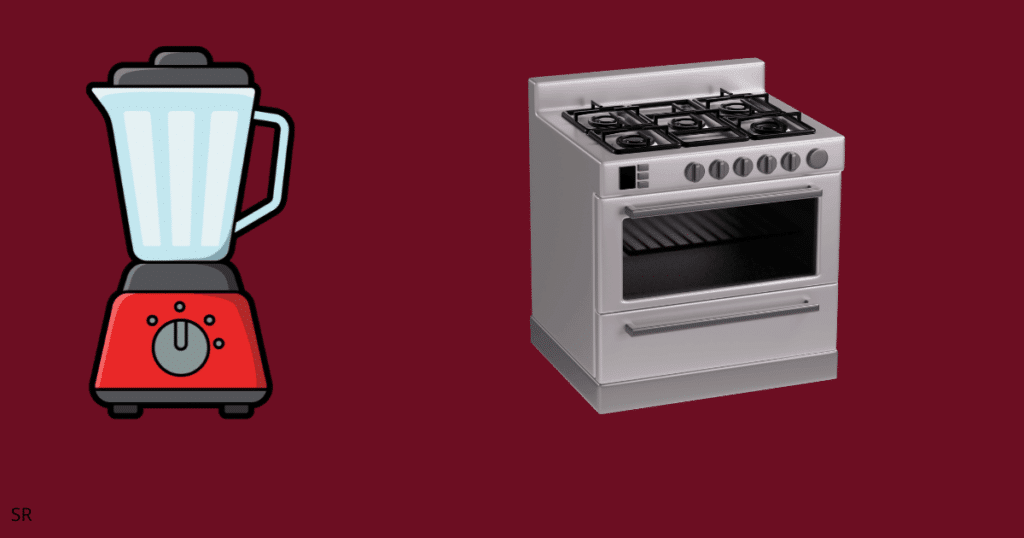
Learning cookware in spanish becomes useful once you start following recipes, watching cooking videos, or chatting with native speakers about food. This quick reference covers the most common pieces you’ll actually use.
| English | Spanish | Pronunciation |
|---|---|---|
| Frying pan | Sartén | sar-TEN |
| Pot | Olla | OH-yah |
| Saucepan | Cacerola | kah-seh-ROH-lah |
| Baking tray | Bandeja para hornear | ban-DEH-hah PAH-rah or-neh-AR |
| Baking dish | Fuente para horno | FWEN-teh PAH-rah OR-noh |
| Pressure cooker | Olla de presión | OH-yah deh preh-see-ON |
| Dutch oven | Horno holandés | OR-noh oh-lan-DES |
| Colander | Colador | koh-lah-DOHR |
| Mixing bowl | Tazón para mezclar | tah-SON PAH-rah mes-KLAR |
| Steamer | Vaporera | bah-poh-REH-rah |
| Wok | Wok | wok |
| Skillet | Sartén | sar-TEN |
Frying pan in spanish sartén, pot in spanish olla, saucepan in spanish cacerola, baking tray in spanish bandeja para hornear, mixing bowl in spanish tazón para mezclar, and colander in spanish colador are among the first cooking terms worth memorizing for everyday conversations.
Spanish Tableware and Dining Items
Knowing tableware in spanish makes ordering meals and setting the table much easier. These everyday words appear in homes, restaurants, cafés and travel conversations almost every single day.
- Plate – Plato
- Bowl – Tazón
- Cup – Taza
- Mug – Taza
- Glass – Vaso
- Bottle – Botella
- Napkin – Servilleta
- Tablecloth – Mantel
- Chopsticks – Palillos
- Serving tray – Bandeja de servir
Remember that plate in spanish is plato, bowl in spanish is tazón, cup in spanish is taza, glass in spanish is vaso, and napkin in spanish is servilleta. Practice these words while setting the table, ordering drinks, or helping prepare dinner. Repeating them aloud for just five minutes each day builds confidence, improves pronunciation, and makes everyday conversations feel natural before long. Soon you’ll recognize menus, follow recipes, and understand dinner conversations without stopping to translate every item. Small daily practice really adds up, especially when you use each term during real meals with friends or family members regularly.
Spanish Cooking Action Words Used in the Kitchen
Learning cooking verbs in spanish is one of the fastest ways to understand recipes and follow kitchen instructions. Instead of memorizing random nouns, practice each verb while preparing a meal.
- Cook – Cocinar
- Fry – Freír
- Bake – Hornear
- Boil – Hervir
- Stir – Remover
- Mix – Mezclar
- Cut – Cortar
- Slice – Rebanar
- Peel – Pelar
- Pour – Verter
- Wash – Lavar
- Serve – Servir
Remember that cook in spanish is cocinar, fry in spanish is freír, bake in spanish is hornear, boil in spanish is hervir, stir in spanish is remover, cut in spanish is cortar, and peel in spanish is pelar.
When you read a recipe, say each action aloud before doing it. That simple habit helped me remember these verbs much faster than flashcards ever did. Try describing your own dinner in Spanish: first wash the vegetables, then cut them, stir the sauce, boil the pasta, bake the bread, and finally serve everything. Within a few days, these useful kitchen actions will start feeling natural, making conversations, recipes, and cooking videos much easier to understand. Every small practice session builds confidence surprisingly quickly for beginners every single day.
Spanish Kitchen Vocabulary Pronunciation Guide
Good spanish pronunciation makes kitchen conversations much easier, even if your vocabulary is still growing. The good news is that once you learn a few simple rules, it’s much easier to pronounce spanish words with confidence.
- Roll the R lightly in words like arroz, but don’t worry if it isn’t perfect.
- LL and Y often sound similar in most regions.
- G is soft before E or I, but hard before A, O, and U.
- The H is silent, so horno starts with an O sound.
- Stress usually falls on the second-to-last syllable unless an accent mark changes it.
One easy spanish pronunciation guide tip is to read words slowly first, then speed up naturally. Listen to native speakers and repeat short kitchen phrases instead of single words. For an authoritative check on spelling, gender, and standard usage of any word in this list, the official RAE dictionary is the go-to resource used by teachers and native speakers alike. Daily practice, even five minutes, improves your accent and makes speaking feel much more comfortable.
Spanish Kitchen Vocabulary in Example Sentences
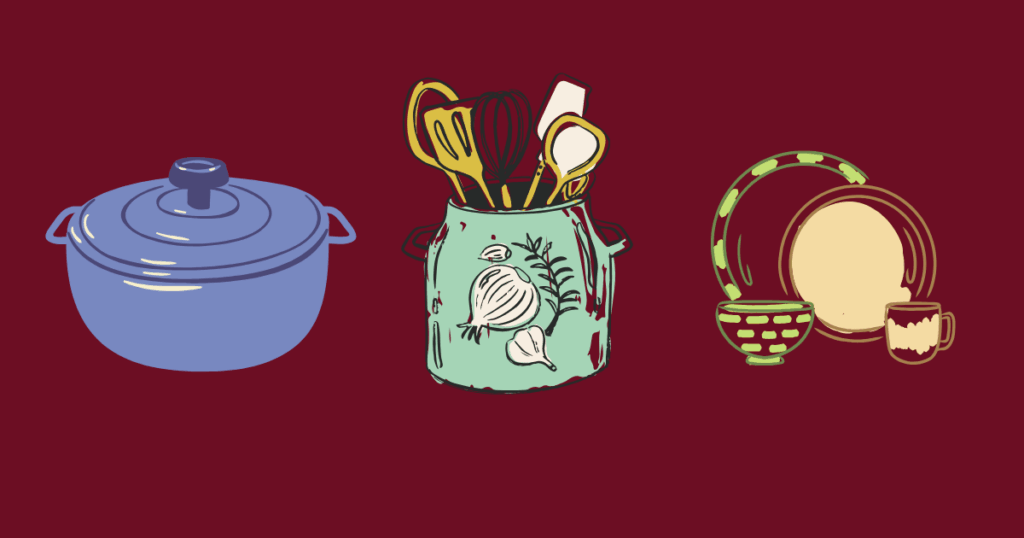
The best way to remember new words is by using them in real situations. These simple examples introduce spanish kitchen phrases and spanish cooking vocabulary you can practice every day.
- ¿Dónde está la cuchara? — Where is the spoon?
- Pasa el cuchillo, por favor. — Pass the knife, please.
- Vamos a cocinar juntos. — Let’s cook together.
- Mezcla los ingredientes lentamente. — Mix the ingredients slowly.
- Lava los platos después de cenar. — Wash the dishes after dinner.
- Necesitamos una sartén nueva. — We need a new frying pan.
- Compra una botella de aceite. — Buy a bottle of oil.
- Sirve la comida en el plato. — Serve the food on the plate.
These kitchen sentences in spanish are short, practical, and easy for beginners to remember. Read them aloud, swap in new vocabulary, and create your own versions using familiar kitchen items. Practicing complete sentences instead of isolated words helps you speak more naturally, understand recipes faster, and feel confident during everyday conversations in Spanish.
Common Mistakes English Speakers Make
Many beginners make the same spanish grammar mistakes when learning kitchen vocabulary.
The biggest challenge is spanish noun gender, since every noun is masculine or feminine. Watch for false cognates, use the correct article (el or la), and match singular and plural forms carefully.
English speakers also mispronounce silent H, roll the R too much, or confuse similar words like taza and tazón. Read recipes aloud, listen to native speakers, and check articles whenever you learn a new noun — the Real Academia Española is a reliable place to confirm a noun’s gender and article whenever you’re unsure.
Building good habits early prevents small mistakes from becoming long-term ones. Practice daily with simple sentences and review corrections without hesitation.
Tips to Remember Spanish Kitchen Vocabulary Faster
The fastest way to memorize spanish vocabulary is to use it in your daily routine instead of studying long word lists. Small habits practiced consistently will help you remember kitchen words much longer.
- Label common items around your kitchen with sticky notes.
- Say each word aloud while cooking or cleaning.
- Review with spanish flashcards for five to ten minutes daily.
- Use spaced repetition to revisit older vocabulary.
- Watch Spanish cooking videos with subtitles and repeat useful phrases.
- Try using new words during everyday conversations.
- Learn related words together instead of random lists.
- Follow simple recipes in Spanish and identify every kitchen item and action.
If you want to learn kitchen spanish faster, focus on real-life practice rather than memorization alone. Seeing, hearing, speaking, and using the same words in different situations strengthens your memory naturally. Before long, you’ll recognize kitchen vocabulary in recipes, restaurants, grocery stores, and conversations without translating every word into English first.
Conclusion
Learning Spanish kitchen vocabulary makes everyday Spanish far more practical and enjoyable. From appliances and utensils to cookware and cooking verbs, these words will help you understand recipes, shop with confidence, and communicate naturally in Spanish-speaking environments. Practice a few words every day, use them while cooking, and revisit this guide whenever you need a quick refresher. The more you use these terms in real situations, the faster they’ll become part of your everyday Spanish.
