

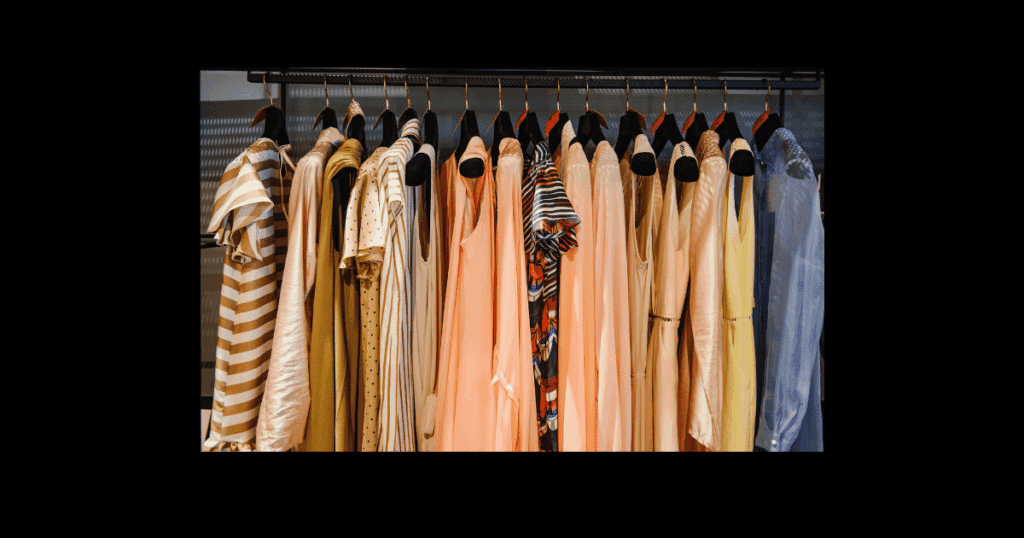
Have you ever walked into a clothing store while traveling in Spain or Latin America and realized you didn’t know how to ask for your size? I’ve been there, and it’s amazing how learning just a few clothing words can make shopping so much easier!
Spanish is spoken by more than 500 million people worldwide, making it one of the most useful languages to learn for travel and everyday conversations.
In this guide, we’ll explore the most essential Spanish clothing vocabulary, from everyday outfits and accessories to shopping phrases, pronunciation tips, and regional differences. By the end, you’ll feel much more confident talking about clothes in Spanish wherever you go — especially with some AI-powered practice to nail the pronunciation, or a structured course like Babbel to build it into full sentences.
Complete Spanish Clothing Vocabulary List
If you’re building your Spanish clothes vocabulary, this quick reference list is a great place to start. It includes 75 of the most common clothes in Spanish with simple pronunciation, making it perfect for travelers, beginners, and anyone expanding their Spanish fashion vocabulary.
These are the clothing words in Spanish you’ll hear most often while shopping, packing, or talking about outfits. If you’re learning clothes vocabulary Spanish for travel, focus on the everyday essentials first. You can also save or print this Spanish apparel vocabulary list for quick practice.
| Spanish Word | English Translation | Pronunciation |
|---|---|---|
| la camisa | shirt | lah kah-MEE-sah |
| la camiseta | T-shirt | kah-mee-SEH-tah |
| los pantalones | pants | pahn-tah-LOH-nehs |
| los jeans | jeans | jeens |
| el vestido | dress | behs-TEE-doh |
| la falda | skirt | FAHL-dah |
| los shorts | shorts | shorts |
| la chaqueta | jacket | chah-KEH-tah |
| el abrigo | coat | ah-BREE-goh |
| el suéter | sweater | SWEH-tehr |
| la sudadera | hoodie | soo-dah-DEH-rah |
| los calcetines | socks | kahl-seh-TEE-nehs |
| la ropa interior | underwear | ROH-pah een-teh-RYOR |
| el pijama | pajamas | pee-HAH-mah |
| los zapatos | shoes | sah-pah-tohs |
| las botas | boots | BOH-tahs |
| las sandalias | sandals | sahn-DAH-lyahs |
| las zapatillas | sneakers | sah-pah-TEE-yahs |
| el cinturón | belt | seen-too-ROHN |
| la corbata | tie | kohr-BAH-tah |
| el sombrero | hat | sohm-BREH-roh |
| la gorra | cap | GOH-rrah |
| la bufanda | scarf | boo-FAHN-dah |
| los guantes | gloves | GWAHN-tehs |
| el traje | suit | TRAH-heh |
| la blusa | blouse | BLOO-sah |
| el chaleco | vest | chah-LEH-koh |
| el bikini | bikini | bee-KEE-nee |
| el bañador | swimsuit | bah-nyah-DOR |
| la camiseta interior | undershirt | kah-mee-SEH-tah een-teh-RYOR |
| los tirantes | suspenders | tee-RAHN-tehs |
| el vestido formal | formal dress | behs-TEE-doh for-MAHL |
| los leggins | leggings | LEH-geens |
| la ropa deportiva | sportswear | ROH-pah deh-por-TEE-vah |
| el uniforme | uniform | oo-nee-FOR-meh |
| la camisa de manga larga | long-sleeve shirt | kah-MEE-sah deh MAHN-gah LAR-gah |
| la camisa de manga corta | short-sleeve shirt | kah-MEE-sah deh MAHN-gah KOR-tah |
| los pantalones cortos | shorts | pahn-tah-LOH-nehs KOR-tohs |
| el impermeable | raincoat | eem-pehr-meh-AH-bleh |
| las medias | tights/stockings | MEH-dee-ahs |
| el vestido de noche | evening dress | behs-TEE-doh deh NOH-cheh |
| la ropa casual | casual clothes | ROH-pah kah-SOO-al |
| la ropa formal | formal clothes | ROH-pah for-MAHL |
| el bolso | handbag | BOHL-soh |
| la mochila | backpack | moh-CHEE-lah |
| los pendientes | earrings | pehn-DEEN-tehs |
| el anillo | ring | ah-NEE-yoh |
| las gafas | glasses | GAH-fahs |
| las gafas de sol | sunglasses | GAH-fahs deh sohl |
| el reloj | watch | reh-LOKH |
| la pulsera | bracelet | pool-SEH-rah |
| el collar | necklace | koh-YAR |
| la ropa de invierno | winter clothes | ROH-pah deh een-VYER-noh |
| la ropa de verano | summer clothes | ROH-pah deh beh-RAH-noh |
| el uniforme escolar | school uniform | oo-nee-FOR-meh es-koh-LAR |
| la ropa de trabajo | work clothes | ROH-pah deh trah-BAH-hoh |
| el traje de baño | swimsuit | TRAH-heh deh BAH-nyoh |
| la ropa elegante | elegant clothes | ROH-pah eh-leh-GAN-teh |
| la ropa cómoda | comfortable clothes | ROH-pah KOH-moh-dah |
| el abrigo largo | long coat | ah-BREE-goh LAR-goh |
| la chaqueta de cuero | leather jacket | chah-KEH-tah deh KWEH-roh |
| los zapatos deportivos | sports shoes | sah-PAH-tohs deh-por-TEE-vos |
| las sandalias de playa | beach sandals | sahn-DAH-lyahs deh PLAH-yah |
| la ropa interior térmica | thermal underwear | ROH-pah een-teh-RYOR TER-mee-kah |
| el conjunto | outfit/set | kohn-HOON-toh |
| la ropa ajustada | tight clothing | ROH-pah ah-hoos-TAH-dah |
| la ropa suelta | loose clothing | ROH-pah SWEL-tah |
| el armario | wardrobe | ar-MA-ryoh |
Traveler tip: If you only memorize 15–20 of these first, you’ll already understand most clothing conversations in Spain or Latin America. I always tell learners: start with everyday basics like camisa, pantalones, zapatos, chaqueta, abrigo, and build from there — it snowballs fast.
Everyday Clothing Vocabulary
These are the everyday clothing words you’ll use the most in Spanish conversations. I honestly wish I’d memorized these before my first trip because words like camisa, pantalones, and zapatos came up constantly while shopping and asking for directions.
| Spanish | English | Pronunciation | Example Sentence |
|---|---|---|---|
| camisa | Shirt | kah-MEE-sah | Llevo una camisa azul. (I’m wearing a blue shirt.) |
| camiseta | T-shirt | kah-mee-SEH-tah | Compré una camiseta nueva. (I bought a new T-shirt.) |
| pantalones | Pants | pahn-tah-LOH-nehs | Mis pantalones son negros. (My pants are black.) |
| jeans | Jeans | jeens | Siempre uso jeans cómodos. (I always wear comfortable jeans.) |
| pantalones cortos | Shorts | pahn-tah-LOH-nehs KOR-tohs | Hace calor, llevo pantalones cortos. (It’s hot, I’m wearing shorts.) |
| vestido | Dress | behs-TEE-doh | Ella tiene un vestido rojo. (She has a red dress.) |
| falda | Skirt | FAHL-dah | La falda es muy bonita. (The skirt is very pretty.) |
| chaqueta | Jacket | chah-KEH-tah | Necesito una chaqueta. (I need a jacket.) |
| abrigo | Coat | ah-BREE-goh | El abrigo es muy cálido. (The coat is very warm.) |
| suéter | Sweater | SWEH-tehr | Mi suéter favorito es gris. (My favorite sweater is gray.) |
| sudadera | Hoodie | soo-dah-DEH-rah | Llevo una sudadera hoy. (I’m wearing a hoodie today.) |
| calcetines | Socks | kahl-seh-TEE-nehs | Mis calcetines son blancos. (My socks are white.) |
| ropa interior | Underwear | ROH-pah een-teh-RYOR | Necesito ropa interior limpia. (I need clean underwear.) |
| pijama | Pajamas | pee-HAH-mah | Me pongo el pijama temprano. (I put on my pajamas early.) |
| zapatos | Shoes | sah-pah-tohs | Mis zapatos son nuevos. (My shoes are new.) |
| botas | Boots | BOH-tahs | Las botas son perfectas para la lluvia. (The boots are perfect for the rain.) |
| sandalias | Sandals | sahn-DAH-lee-ahs | Uso sandalias en verano. (I wear sandals in summer.) |
| zapatillas | Sneakers | sah-pah-TEE-yahs | Mis zapatillas son muy cómodas. (My sneakers are very comfortable.) |
| cinturón | Belt | seen-too-ROHN | Necesito un cinturón nuevo. (I need a new belt.) |
| corbata | Tie | kohr-BAH-tah | Él lleva una corbata azul. (He’s wearing a blue tie.) |
Quick tip: Start by learning camisa, camiseta, pantalones, vestido, falda, chaqueta, abrigo, zapatos, calcetines, and sudadera first. You’ll hear these everyday words far more often than formal clothing terms, especially while shopping, packing, or chatting with native speakers.
Accessories and Fashion Items
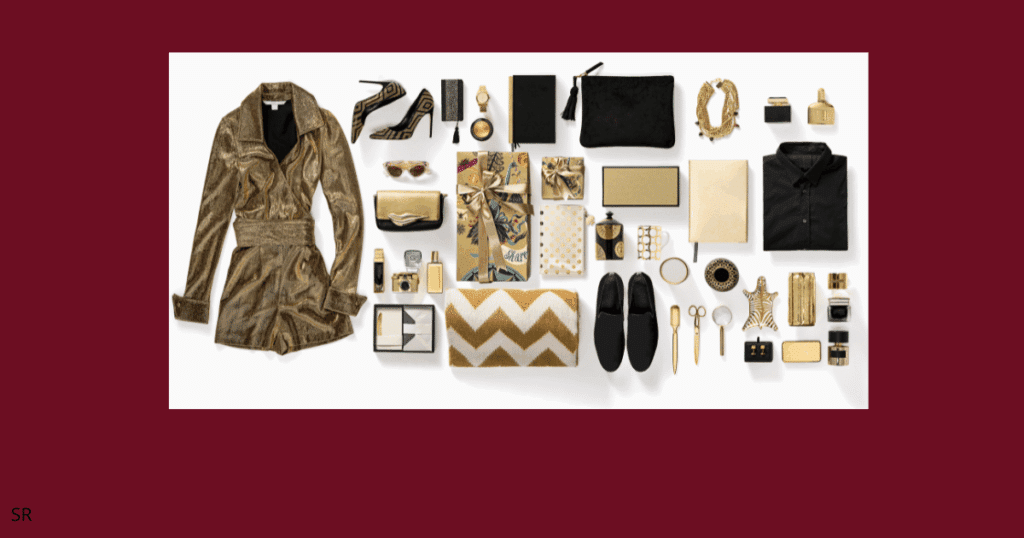
Accessories can completely change an outfit, and they’re surprisingly common in everyday Spanish conversations. Whether you’re shopping at a market, packing for vacation, or describing what someone is wearing, these words will come in handy far more often than you’d think.
| Spanish | English | Pronunciation | Example Sentence | Common Usage |
|---|---|---|---|---|
| sombrero | Hat | sohm-BREH-roh | Lleva un sombrero negro. (He’s wearing a black hat.) | Traditional or wide-brim hats. |
| gorra | Cap | GOH-rrah | Mi gorra es azul. (My cap is blue.) | Baseball caps and casual hats. |
| gafas de sol | Sunglasses | GAH-fahs deh sohl | Necesito mis gafas de sol. (I need my sunglasses.) | Worn on sunny days or at the beach. |
| bufanda | Scarf | boo-FAHN-dah | La bufanda es muy suave. (The scarf is very soft.) | Popular during winter. |
| guantes | Gloves | GWAHN-tehs | Uso guantes cuando hace frío. (I wear gloves when it’s cold.) | Cold weather clothing. |
| bolso | Purse | BOHL-soh | Compró un bolso nuevo. (She bought a new purse.) | Common for handbags, especially in Spain. |
| cartera | Wallet | kahr-TEH-rah | Mi cartera está llena. (My wallet is full.) | Used for wallets; in some countries it can also mean purse. |
| mochila | Backpack | moh-CHEE-lah | Llevo una mochila grande. (I’m carrying a large backpack.) | School, travel, and hiking. |
| reloj | Watch | reh-LOKH | Mi reloj es digital. (My watch is digital.) | Everyday accessory for telling time. |
| collar | Necklace | koh-YAR | Ella lleva un collar de plata. (She’s wearing a silver necklace.) | Fashion jewelry. |
| pulsera | Bracelet | pool-SEH-rah | Me gusta esta pulsera. (I like this bracelet.) | Casual or decorative accessory. |
| pendientes | Earrings | pehn-DEEN-tehs | Los pendientes son pequeños. (The earrings are small.) | The most common word in Spain. |
| anillo | Ring | ah-NEE-yoh | Lleva un anillo de oro. (He’s wearing a gold ring.) | Wedding or fashion rings. |
| paraguas | Umbrella | pah-RAH-gwahs | No olvides el paraguas. (Don’t forget the umbrella.) | Essential during rainy weather. |
Quick tip: Learn sombrero, gafas de sol, bolso, cartera, mochila, reloj, and bufanda first. These are among the accessories you’ll hear most often while traveling, shopping, or chatting with native Spanish speakers.
Seasonal Clothing Vocabulary
The clothes you wear change with the weather, so learning seasonal vocabulary is super practical. I found that knowing words like ropa de verano, ropa de invierno, and impermeable made shopping and packing in Spanish-speaking countries much easier.
Summer Clothes
| Spanish | English | Pronunciation | Example Sentence | Seasonal Context |
|---|---|---|---|---|
| ropa de verano | Summer clothes | ROH-pah deh beh-RAH-noh | Necesito ropa de verano para las vacaciones. (I need summer clothes for vacation.) | Worn during hot weather. |
| traje de baño | Swimsuit | TRAH-heh deh BAH-nyoh | Llevo un traje de baño a la playa. (I’m taking a swimsuit to the beach.) | Beach and pool days. |
| chanclas | Flip-flops | CHAHN-klahs | Uso chanclas en la piscina. (I wear flip-flops at the pool.) | Casual summer footwear. |
| camiseta sin mangas | Tank top | kah-mee-SEH-tah seen MAHN-gahs | Lleva una camiseta sin mangas blanca. (She’s wearing a white tank top.) | Perfect for warm temperatures. |
| gafas de sol | Sunglasses | GAH-fahs deh sohl | No olvides las gafas de sol. (Don’t forget your sunglasses.) | Sunny days and vacations. |
| sombrero para el sol | Sun hat | sohm-BREH-roh PAH-rah ehl sohl | El sombrero protege del sol. (The sun hat protects from the sun.) | Great for beaches and sightseeing. |
Winter Clothes
| Spanish | English | Pronunciation | Example Sentence | Seasonal Context |
|---|---|---|---|---|
| ropa de invierno | Winter clothes | ROH-pah deh een-VYER-noh | Compré ropa de invierno nueva. (I bought new winter clothes.) | Cold weather essentials. |
| abrigo | Coat | ah-BREE-goh | Mi abrigo es muy cálido. (My coat is very warm.) | Heavy outerwear for winter. |
| bufanda | Scarf | boo-FAHN-dah | Siempre llevo una bufanda. (I always wear a scarf.) | Keeps your neck warm. |
| guantes | Gloves | GWAHN-tehs | Necesito guantes porque hace frío. (I need gloves because it’s cold.) | Protects your hands in winter. |
| botas | Boots | BOH-tahs | Las botas son impermeables. (The boots are waterproof.) | Ideal for snow and cold weather. |
| suéter de lana | Wool sweater | SWEH-tehr deh LAH-nah | Mi suéter de lana es muy cómodo. (My wool sweater is very comfortable.) | Cozy clothing for chilly days. |
Rainy Weather
| Spanish | English | Pronunciation | Example Sentence | Seasonal Context |
|---|---|---|---|---|
| impermeable | Raincoat | eem-pehr-meh-AH-bleh | Llevo un impermeable cuando llueve. (I wear a raincoat when it rains.) | Keeps you dry in rainy weather. |
| paraguas | Umbrella | pah-RAH-gwahs | Siempre llevo un paraguas. (I always carry an umbrella.) | Useful during rain showers. |
| botas impermeables | Waterproof boots | BOH-tahs eem-pehr-meh-AH-blehs | Las botas impermeables mantienen mis pies secos. (Waterproof boots keep my feet dry.) | Best for wet streets and hiking. |
Quick tip: If you’re traveling, memorize ropa de verano, ropa de invierno, traje de baño, sandalias, guantes, botas, and impermeable first. They’re the seasonal words you’ll hear most often while checking the weather, packing your suitcase, or shopping for clothes.
Spanish Clothing Vocabulary for Shopping
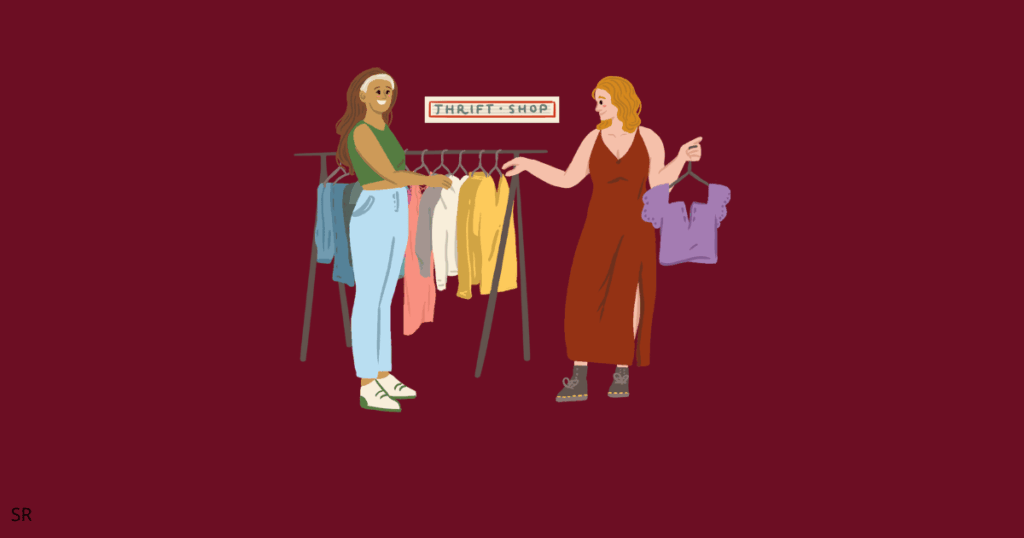
Shopping for clothes becomes much easier once you know the right vocabulary. Whether you’re visiting a tienda de ropa or browsing a local market, these expressions help you ask about size, price, and payment with confidence. I always memorized these before trying to comprar ropa because they saved me time.
- tienda de ropa — Clothing store — tee-EN-dah deh ROH-pah — “¿Dónde está la tienda de ropa?”
- probador — Fitting room — proh-bah-DOR — “¿Dónde está el probador?”
- talla — Size — TAH-yah — “Necesito otra talla.”
- rebajas — Sale — reh-BAH-has — “Hay rebajas hoy.”
- descuento — Discount — dess-KWEN-toh — “¿Hay algún descuento?”
- precio — Price — PREH-see-oh — “¿Cuál es el precio?”
- devolución — Return — deh-boh-loo-see-OHN — “Necesito una devolución.”
Useful phrases: “Do you have this in another size?”, “Can I try this on?” (probarse la ropa), “How much does it cost?”, “I’ll take it,” and “Do you accept credit cards?” These simple expressions make shopping less stressful, and you’ll feel much more confident every time you step inside a Spanish store.
Before your next shopping trip, it’s worth reviewing vocabulary with the lessons available on SpanishDictionary.com. Their examples and audio are especially helpful when learning everyday shopping phrases
How to Pronounce Spanish Clothing Vocabulary
Good pronunciation makes everyday conversations feel much easier. You don’t need a perfect Spanish accent to be understood, but learning a few simple rules will boost your confidence quickly.
Start with the Spanish vowel sounds: a sounds like “ah,” e like “eh,” i like “ee,” o like “oh,” and u like “oo.” They almost never change. The rolling r Spanish sound takes practice, so don’t worry if it feels awkward at first. The letter h is silent, which is why hilo begins with an “ee” sound.
The double ll usually sounds like “y” in many regions, so camisilla and similar words follow that pattern. Spanish stress rules are predictable because words ending in vowels, n, or s usually stress the second-to-last syllable unless an accent mark changes it. A simple Spanish pronunciation guide with easy spellings often helps more than IPA. Read clothing words aloud, copy native speakers, and repeat short phrases daily. Consistency beats perfection every single time.
If you want to improve your Spanish pronunciation and Spanish accent, the free learning resources from the Instituto Cervantes are an excellent place to practice with authentic materials
Example Sentences Using Spanish Clothing Vocabulary
Practice these sentences to sound more natural in everyday conversations. They’re useful for travel, shopping, and learning how to describe clothes in Spanish.
- Me visto rápido. (I get dressed quickly.) Pronunciation: meh VEES-toh RAH-pee-doh.
- Voy a empacar ropa para las vacaciones. (I’m packing clothes for vacation.) boy ah em-pah-KAR ROH-pah.
- Quiero comprar una chaqueta. (I want to buy a jacket.) kee-EH-roh kohm-PRAHR OO-nah chah-KEH-tah.
- ¿Qué llevas puesto? (What are you wearing in Spanish?) keh YEH-bahs PWEHS-toh.
- Mi vestido favorito es azul. (My favorite dress is blue.) mee behs-TEE-doh fah-boh-REE-toh.
- Hace frío; necesito un abrigo. (It’s cold; I need a coat.) AH-seh FREE-oh.
- ¿Cuál es tu talla? (What’s your size?) kwal es too TAH-yah.
- ¡Me gusta tu camisa! (I like your shirt!) meh GOOS-tah too kah-MEE-sah.
These examples also work as Spanish shopping phrases for everyday conversations.
Tips to Memorize Spanish Clothing Vocabulary Faster
Learning clothes by complete outfits feels more natural than memorizing alphabetically. Label clothes around your house with sticky notes.
Practice while getting dressed every morning. Use Spanish flashcards for quick review, then switch to real Spanish vocabulary practice with shopping dialogues. Watch Spanish fashion videos and repeat words aloud daily.
Group vocabulary by season to build stronger memory. Create funny image associations to memorize Spanish words faster.
These Spanish language learning tips help you learn Spanish vocabulary naturally through repetition and everyday habits. Stay consistent for ten minutes daily and you’ll improve quickly.
Once you’ve learned the basics, verify new words and their official meanings with the Real Academia Española (RAE) Dictionary. It’s the official dictionary of the Spanish language and a great reference as your vocabulary grows.
Conclusion
Learning Spanish clothing vocabulary is one of the fastest ways to become more confident in everyday Spanish conversations, whether you’re shopping, packing for a trip, or simply describing what you’re wearing. In this guide, you’ve explored essential clothing words, useful shopping phrases, pronunciation tips, example sentences, regional vocabulary differences, and memory techniques. Keep practicing a few words every day, use them in real conversations, and don’t be afraid to make mistakes—every new word brings you one step closer to fluency. ¡Buena suerte!
