


Saying “I love you” in another language is exciting—and a little intimidating! Maybe you’re talking to your Spanish-speaking partner, writing a heartfelt message, or preparing for a trip.
My first instinct was to look for a direct translation, but I quickly realized native speakers don’t always express love the same way English speakers do! That’s where many language learners get stuck.
The textbook translation is correct, but depending on the country, relationship, and situation, another expression may sound much more natural.
In this guide, you’ll learn not only how to say “I love you” in Spanish, but also when to use each version, how natives actually say it, and the common mistakes English speakers make — the kind of cultural nuance AI conversation practice is especially good at catching. If you want guided lessons on romantic/everyday phrases, Babbel covers this too.
How Do You Say “I Love You” in Spanish?

The quick answer is that Spanish gives you two ways to say “I love you,” and they do not always feel equally intense. The best phrase depends on the relationship, the country, and how serious the moment is.
Te amo literally and naturally means “I love you.” Pronounce it te AH-mo. It is romantic and serious, usually used with a partner when love feels deep, committed, or dramatic.
“¿De verdad me amas?”
“Sí, te amo con todo mi corazón.”
I once heard someone say te amo on an early date, and honestly, it sounded much stronger than the English version. In many Spanish-speaking countries, this phrase can feel like an emotional statement.
Te quiero literally translates to “I want you,” but its natural meaning is “I love you” or “I care deeply about you.” Pronounce it te kee-EH-ro. This is the common way to express warm love in everyday Spanish, and people also use it with family, close friends, and romantic partners.
“Buenas noches, mamá.”
“Buenas noches. Te quiero mucho.”
Most apps teach te amo first, which is kind of a problem. To understand real conversational language, start with te quiero, then learn when stronger love calls for te amo.
15+ Ways to Say “I Love You” and Express Love in Spanish

While te quiero and te amo are common ways to say “I love you” in Spanish, native speakers have other expressions. The right phrase depends on the relationship: serious, playful, romantic, or affectionate.
Romantic and Serious
Te quiero mucho literally means “I want you a lot,” but naturally means “I love you very much.” Pronounce it te kee-EH-ro MOO-cho. Use it with partners or family: “Te quiero mucho, mamá.”
Te amo con todo mi corazón means “I love you with all my heart.” Pronounce it te AH-mo con TO-do mee co-ra-SON. It emphasizes your love in relationships: “Te amo con todo mi corazón, y quiero estar contigo.”
Eres el amor de mi vida means “You are the love of my life.” It suits partners, while quiero pasar mi vida contigo—“I want to spend my life with you”—signals marriage or long-term commitment.
For poetic deep love, say no puedo vivir sin ti, “I can’t live without you,” or te quiero con locura, “I love you madly.” Both sound intense, so skip them on date two.
Playful and Early Relationships
Te adoro means “I adore you” and feels lighter than te amo. Me encantas means “I’m crazy about you”; it is warmer than me gustas, which simply means “I like you.”
A flirty man might say me tienes loco; a woman says me tienes loca. Both mean “You drive me crazy.” Eres mi persona favorita, “You’re my favorite person,” is modern and common in texts.
Family and Friends
Te quiero also works for family, friends, and partners. Te extraño means “I miss you” and often appears beside an expression of love: “Te extraño mucho. Te quiero más.”
| Phrase | Natural meaning | Best for | Strength |
|---|---|---|---|
| Te quiero mucho | I love you very much | Anyone close | Warm |
| Te amo | I love you | Romantic partners | Strong |
| Te adoro | I adore you | Dating, family | Playful |
| Te aprecio mucho | I care about you | Friends | Gentle |
| Los quiero mucho | I love you all | Groups | Warm |
Next, let’s see which phrases sound natural in different countries.
Regional Differences (Spain vs. Mexico vs. Argentina & Latin America)
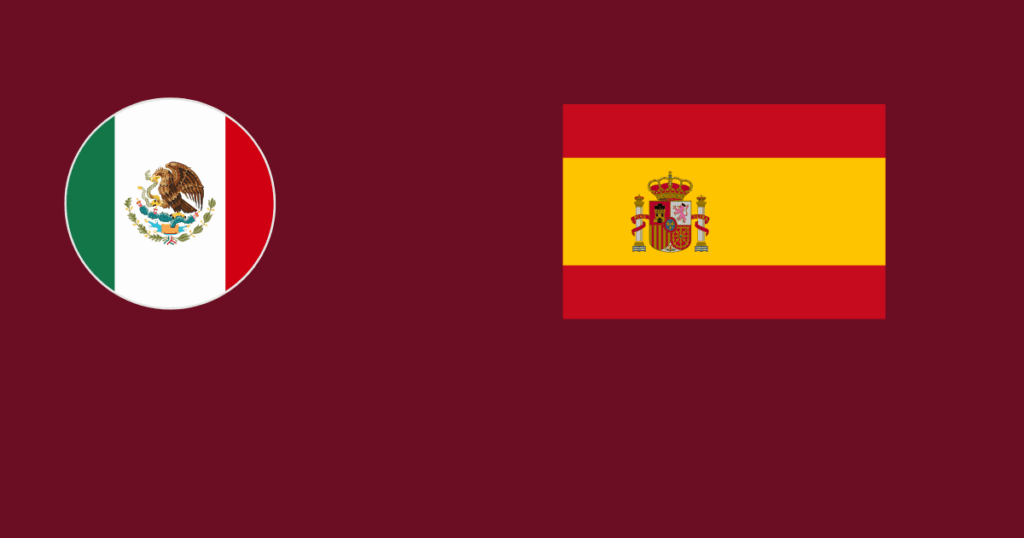
Spanish love phrases change by country, so one expression does not fit every context. What sounds casual in Madrid may feel intense in Mexico or Argentina.
Spain
Te quiero literally means “I want you,” but naturally means “I love you.” Pronounce it te kee-EH-ro. It is the common way someone would speak to a partner, friend, or loved one: “Te quiero mucho.” Te amo is understood, yet often sounds dramatic or poetic.
Mexico
Te amo literally and naturally means “I love you.” Pronounce it te AH-mo. It is used for spouses and serious partners: “Te amo con todo mi corazón.” Te quiero also expresses daily affection and can be used with family: “Te quiero, mamá.”
Argentina
Te quiero has the same literal and natural translations. It is informal, warm, and strongly preferred in everyday relationships. A partner might say, “Te quiero muchísimo.” Te amo is usually saved for emotional moments.
Latin America
Across Latin America, te quiero and te amo refer to different levels of love depending on the country. Neither phrase is formal, but local habits matter. Listen to how people use “te quiero,” then match their context before speaking.
Terms of Endearment You’ll Hear Alongside “I Love You”
Spanish speakers often pair te quiero or te amo with affectionate nicknames, especially in conversations and text messages. Learning these small phrases in Spanish makes your love sound warmer, more natural, and less like something copied from an app.
Mi amor means “my love” and is probably the most universal option. Pronounce it mee ah-MOR. It can refer to a romantic partner or another loved one: “Te quiero mucho, mi amor.”
Cariño means “honey,” “darling,” or “dear.” Pronounce it kah-REE-nyo. It is especially common in Spain, where couples and family members use it casually: “¿Estás bien, cariño?” I heard this everywhere in Madrid, honestly.
Corazón literally means “heart,” but naturally works like “sweetheart.” Pronounce it koh-rah-SON. It feels affectionate and personal: “Te amo, corazón. Descansa.”
Mi vida literally means “my life.” Pronounce it mee VEE-dah. This romantic nickname is common across Latin America and can also be used for children: “Ven aquí, mi vida.”
Mi cielo literally means “my sky” or “my heaven,” but naturally means “sweetheart.” Pronounce it mee SYEH-loh. It sounds warm and tender: “Te adoro, mi cielo.”
Spain vs. Latin America
In Spain, cariño and mi amor are especially common. Across Latin America, you will often hear mi vida, mi cielo, corazón, and mi amor. Regional habits vary in practice, though, so notice what people in a relationship actually say before copying every affectionate phrase.
Next, let’s look at mistakes that can make a loving message sound awkward.
Pronunciation Guide
Good Spanish pronunciation is less about speaking fast and more about keeping the vowels clear. English speakers often stretch sounds, but Spanish rhythm stays short, even, and steady.
Te amo uses the IPA /te ˈa.mo/, with stress on a in amo. Try an audio-style breakdown: te | AH-mo, then connect it smoothly as te-AH-mo without inserting a pause. A common learner mistake is saying “tay ay-mo”; keep both vowels clean and avoid turning the final o into “oh.”
Example: “Te amo mucho” should flow as te-AH-mo-MOO-cho, with each syllable receiving similar time.
Te quiero uses the IPA /te ˈkje.ɾo/, with stress on quie. The qu sounds like a hard English k, the u is silent, and the single r is a quick flap, similar to the sound in the American pronunciation of “butter.” Break it down as te | KYEH-ro, not “tee kwee-air-oh.”
For better te quiero pronunciation, practise slowly, then remove the spaces: te-quiero, tequiero, tequieromucho. Do not force a rolled r; that makes the phrase sound unnatural.
Clear vowels beat speed, so record yourself and compare examples carefully. Once you understand the rhythm, learning to say either phrase naturally makes the Spanish language easier to use.
Real Conversations Using “I Love You”

Seeing the phrase inside a real Spanish conversation helps you understand what a partner, friend, or family member would actually say. These examples show how tone and context change the meaning.
Dialogue 1 — Romantic Couple
Spanish
—Te amo con todo mi corazón.
—Yo también te amo.
English
—“I love you with all my heart.”
—“I love you too.”
Literally, both use te amo, and the natural translation is equally strong. Pronounce it te AH-mo. Natives use this wording in a serious romantic relationship, not usually during casual early dating.
Dialogue 2 — Family
Spanish
—Buenas noches, mamá. Te quiero mucho.
—Yo también te quiero, cariño.
English
—“Good night, Mom. I love you very much.”
—“I love you too, honey.”
Te quiero literally means “I want you,” but naturally means “I love you” here. Pronounce it te kee-EH-ro. This informal phrase is the common way relatives express warm, everyday affection without sounding dramatic.
Dialogue 3 — Long-Distance Text
Spanish
—Te extraño muchísimo. Te quiero.
—Yo también. Falta poco para vernos.
English
—“I miss you so much. I love you.”
—“Me too. It won’t be long until we see each other.”
The literal and natural translations stay close, though falta poco literally means “little remains.” Say te ex-TRAN-yo and te kee-EH-ro smoothly. Natives combine these phrases in Spanish to make a long-distance message sound personal, affectionate, and natural.
Next, notice how small word choices can make the same message feel different.
How to Respond When Someone Says “I Love You” in Spanish
Knowing how to respond matters as much as knowing how to say love you in Spanish. Your answer can express affection, playfulness, or honesty without moving too fast.
Yo también te amo literally means “I also love you,” and naturally means “I love you too.” Use this serious response with a partner: “Te amo.” “Yo también te amo.”
Yo también te quiero has the same literal structure, but feels casual. Someone might say it to a partner, family member, or close friend: “Te quiero mucho.” “Yo también te quiero.”
Y yo a ti literally means “And I, you,” but naturally means “You too.” Natives use this informal shorthand because the verb is understood: “Te quiero.” “Y yo a ti.”
Te quiero más means “I love you more.” It is a playful phrase couples use in texts: “Te quiero.” “Te quiero más.”
Eres muy especial para mí means “You’re very special to me.” Use this warm response when you care but are not ready to say te amo.
Tone and timing matter. Across Spanish-speaking countries, many people wait before using te amo, so respond honestly instead of matching intensity automatically.
Common Mistakes English Speakers Make
English speakers understand the dictionary meaning but miss the context. These mistakes can make a casual expression sound too formal, intense, or odd.
Mistake 1: Using te amo too early.
Wrong: “Te amo” after two dates. Better: “Te quiero” or “Me gustas mucho.” Natives notice because te amo can suggest commitment. Example: “Me gustas mucho; quiero conocerte mejor.”
Mistake 2: Translating te quiero literally.
Wrong idea: it only means “I want you.” Better understanding: in a relationship, te quiero means “I love you.” Although it literally translates to “I want you,” context changes the phrase. Example: “Te quiero, mamá.”
Mistake 3: Trusting Google Translate without context.
Wrong: choosing the first result for every person. Better: match the expression to the relationship and situation. Someone would say “Te aprecio” to a friend, not always te amo.
Mistake 4: Ignoring regional preferences.
Wrong: assuming one phrase works everywhere. Better: learn how locals speak. Te quiero is the common way in Spain and Argentina, while both options are used in Mexico.
Learning starts when you listen before copying.
Conclusion:
If you’re unsure how to say “I love you” in Spanish, te quiero is the best phrase to start with. It sounds warm, natural, and is commonly used across many Spanish-speaking countries with partners, family, and loved ones.
Save te amo for deeper romantic moments when you want to express a stronger, more intense feeling of love.
The most important step is to practice saying these expressions out loud so they become comfortable in real conversations. With time, you’ll understand the small differences in tone and choose the phrase that feels right for each relationship and situation. Keep exploring more Spanish phrases to sound more natural!
