

Is your city one of the most linguistically diverse in Britain?
The UK is home to hundreds of languages spoken every day — but some areas are far more linguistically diverse than others. Using data from the Office for National Statistics’ 2021 Census, we’ve identified the most multilingual place in 21 different towns and cities across England and Wales. Some results might surprise you.
Knowing how multilingual your area is isn’t just a curiosity — it reflects the diversity of your community, the languages your local schools and public services need to support, and how connected your city is to the wider world.
For language learners, it also says something about where you’re most likely to hear — and practice — a second language just by walking down the street.
We used the Office for National Statistics’ Census 2021 dataset “Main language (detailed),” which records the main language of every usual resident aged 3 and over across 331 local authorities in England and Wales, broken down into 95 language categories.
For each local authority, we calculated the percentage of residents whose main language was recorded as something other than “English (English or Welsh in Wales).”
Data covers England and Wales only, as Scotland conducts its census separately through National Records of Scotland.
Key Findings
- Newham is the most multilingual place in the UK — over a third (34.6%) of residents report a main language other than English.
- Leicester is the most multilingual city outside London, with 30% of residents speaking a main language other than English.
- Birmingham, the UK’s second-largest city, ranks lower than many smaller towns — just 15.6% of residents report a non-English main language, behind places like Boston, Cambridge, and Peterborough.
- Boston, Lincolnshire punches well above its size — at 20.7%, this small market town outranks much larger cities including Manchester, Birmingham, and Nottingham.
- The gap is stark — Newham’s rate (34.6%) is nearly 3x higher than Derby’s (12.95%), the lowest-ranking place on this list.
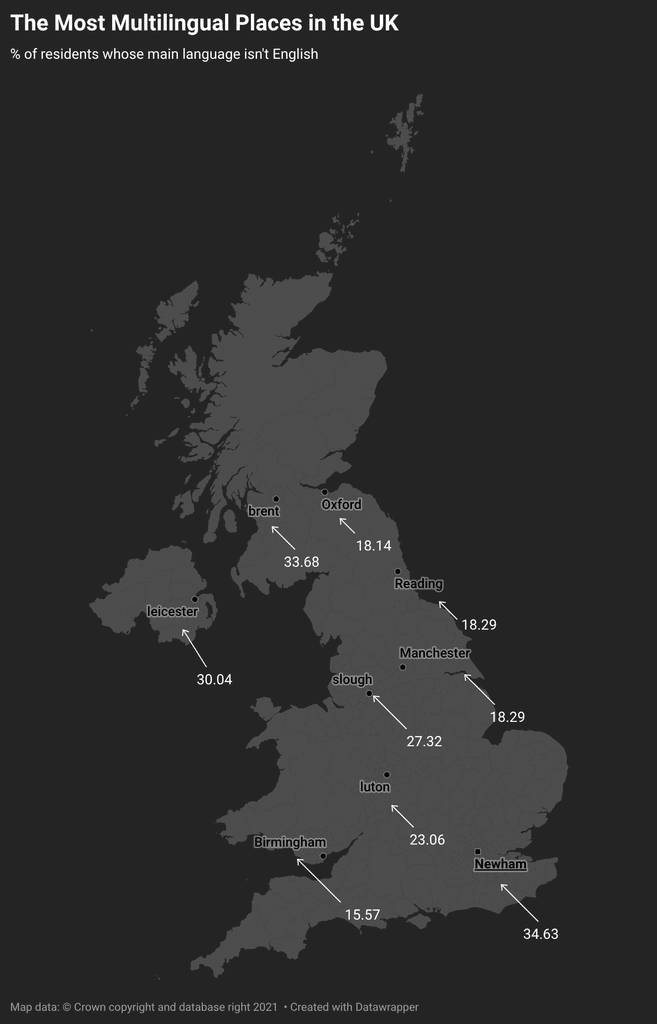
The Most Multilingual Places in the UK
#1 Newham: The Most Multilingual Place in the UK
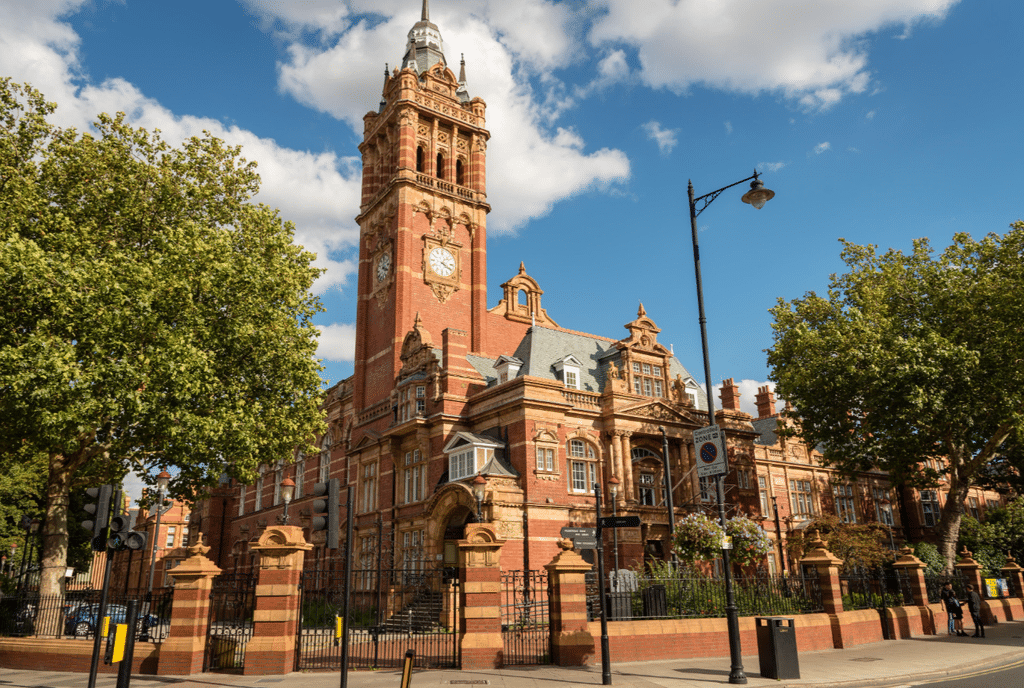
Newham tops the list, with 34.63% of residents reporting a main language other than English — more than one in three people. Home to Stratford and the Queen Elizabeth Olympic Park, Newham is one of the most ethnically and linguistically diverse boroughs in London, with large Bangladeshi, Indian, and Eastern European communities contributing to its rich mix of languages.
#2 Brent: A Borough Built on Diversity
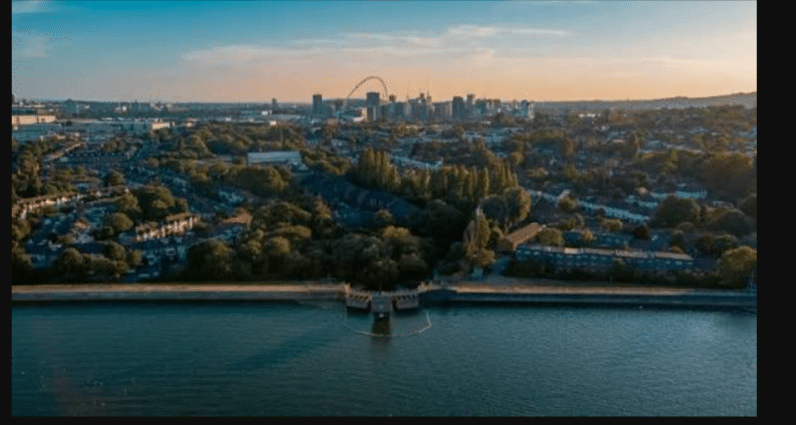
Brent comes in at 33.68%, driven in large part by its sizeable South Asian, Eastern European, and Somali communities. The borough is best known as home to Wembley Stadium and Wembley Park, but its residential neighbourhoods are among the most linguistically diverse in the country.
#3 Leicester: The Most Multilingual City Outside London
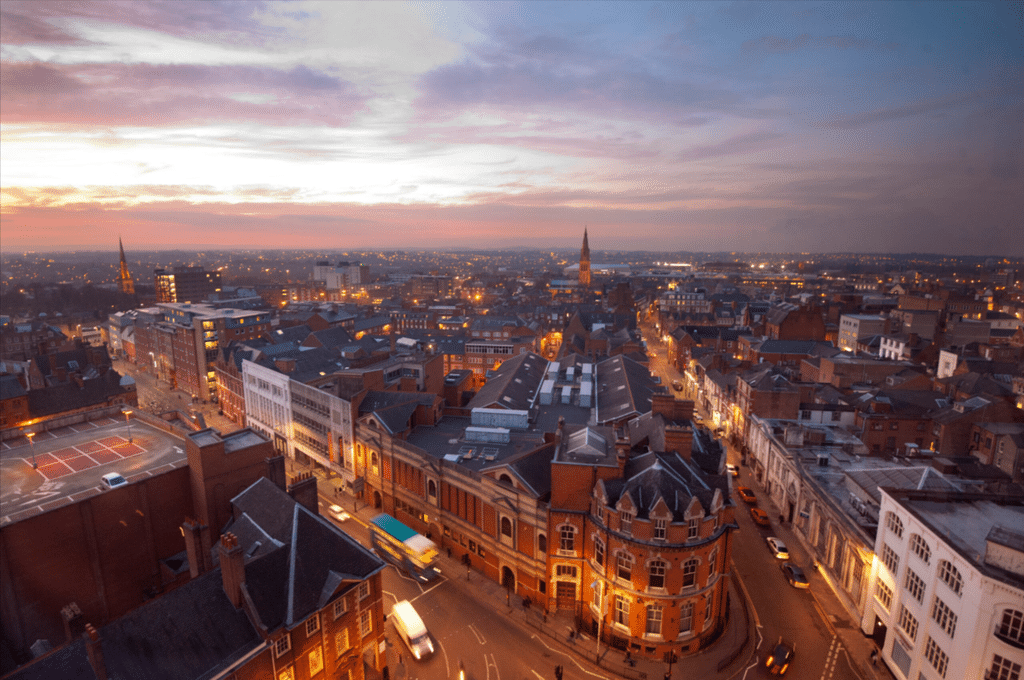
Leicester is the highest-ranking city outside the capital, with 30.04% of residents reporting a main language other than English. Known for its “Golden Mile” and large Gujarati-speaking community, Leicester has long been regarded as one of Britain’s most diverse cities.
#4 Slough: Berkshire’s Most Diverse Town
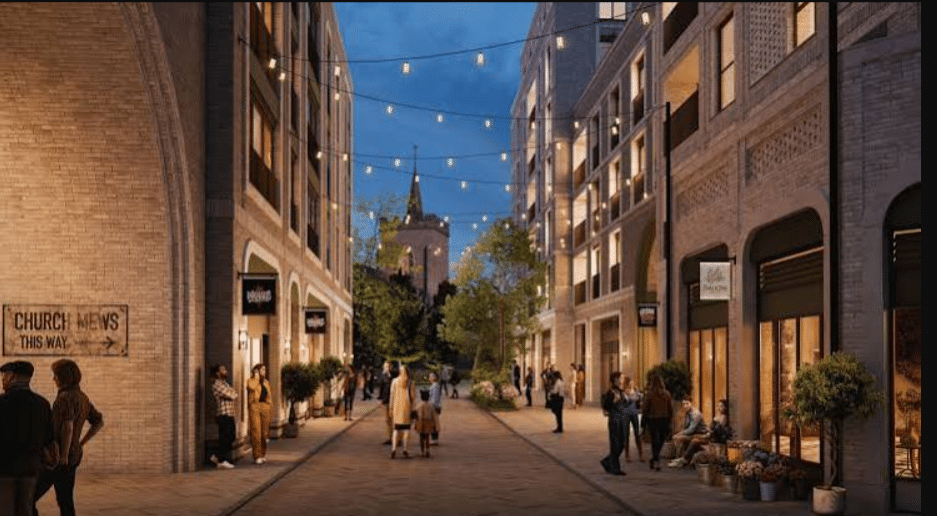
Slough recorded 27.32%. A major logistics and industrial hub just west of London, Slough has attracted decades of South Asian and, more recently, Eastern European migration.
#5 Luton: A Diverse Hub in the East of England
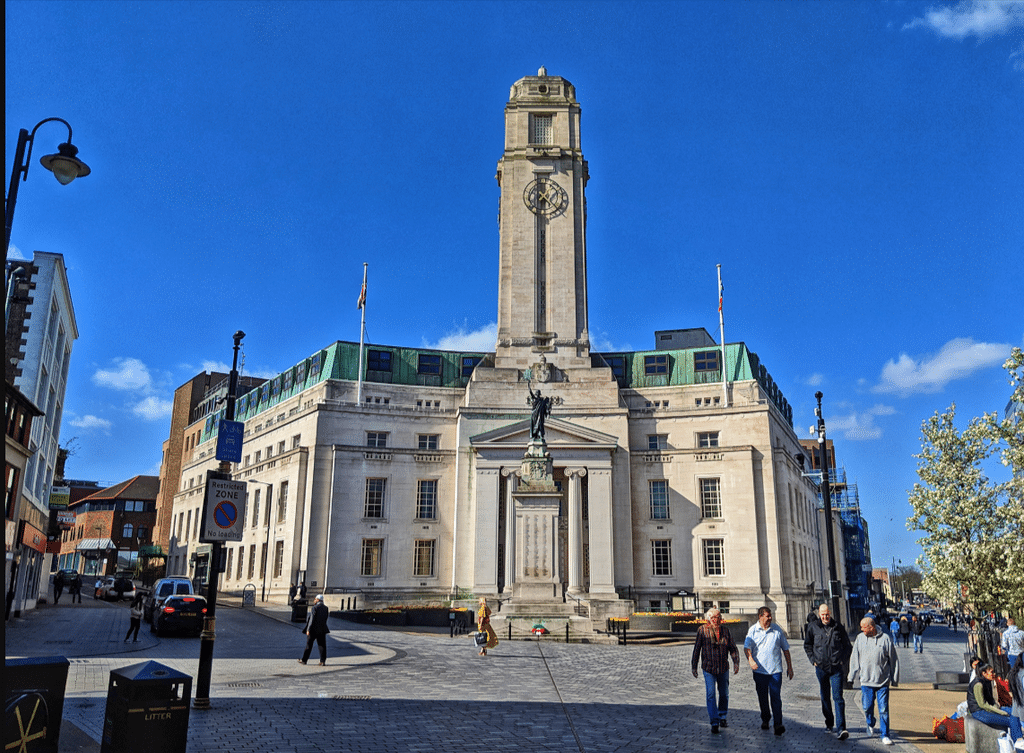
Luton recorded 23.06%. The town has a large South Asian population, particularly Pakistani and Bangladeshi communities, alongside a growing Eastern European population linked to its logistics and airport industries.
#6 Boston: The Surprise Entry
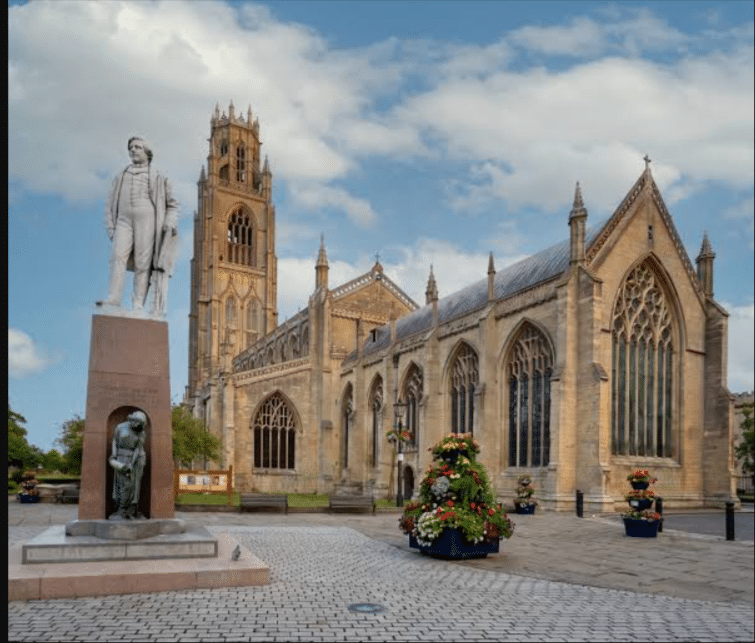
Boston recorded 20.71% — a striking figure for a market town of just 68,000 people. Boston has seen one of the fastest-growing Eastern European populations in the country over the past two decades, driven largely by agricultural and food-processing employment in the surrounding area.
#7 Cambridge: A University City of Many Languages
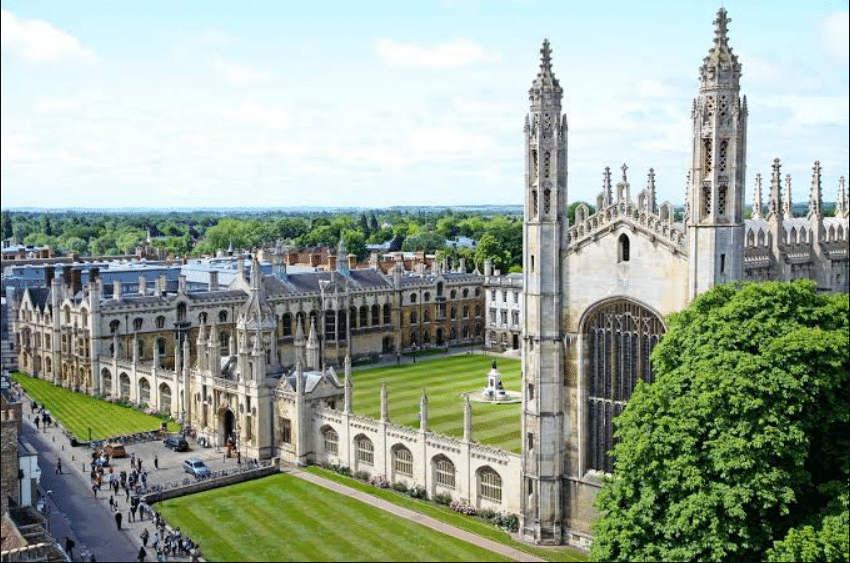
Cambridge recorded 20.02%. Home to one of the world’s leading universities, the city attracts international students and academic staff from across the globe, contributing to its linguistic diversity.
#8 Peterborough: The East of England’s Growing City
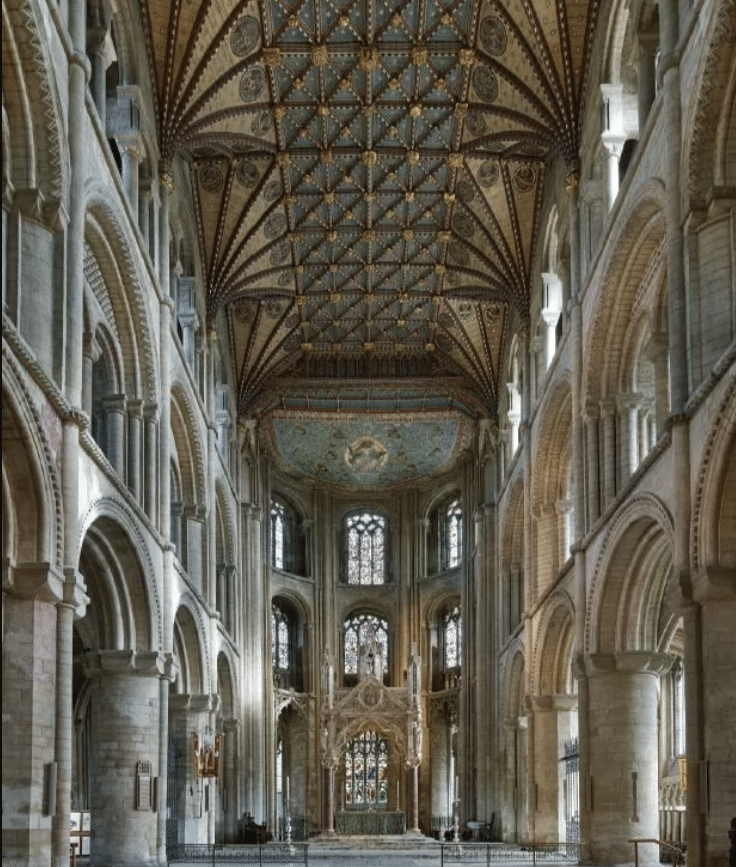
Peterborough recorded 19.95%. The city has seen significant Eastern European migration over the past two decades, particularly linked to agricultural and logistics work in the surrounding Fens.
#9 Watford: Hertfordshire’s Diverse Commuter Town
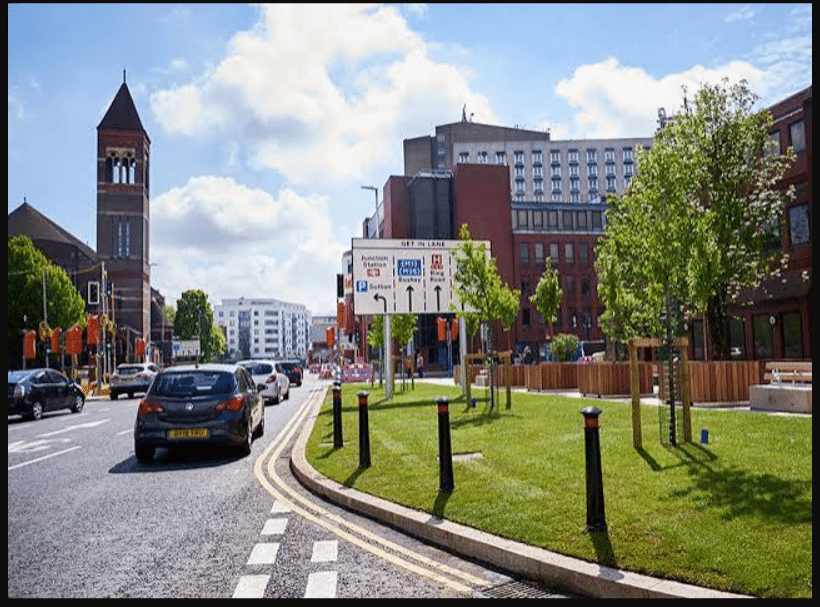
Watford recorded 19.03%. Located on the edge of London, Watford has a growing South Asian and Eastern European population.
#10 Reading: Berkshire’s Tech and Business Hub
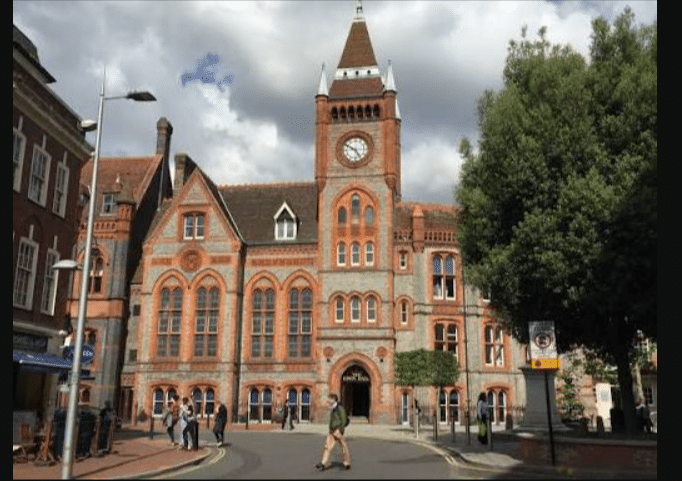
Reading recorded 18.87%. As a major business and tech hub just west of London, Reading has attracted a significant international workforce, alongside long-established South Asian and Eastern European communities.
#11 Manchester: The North’s Most Multilingual City
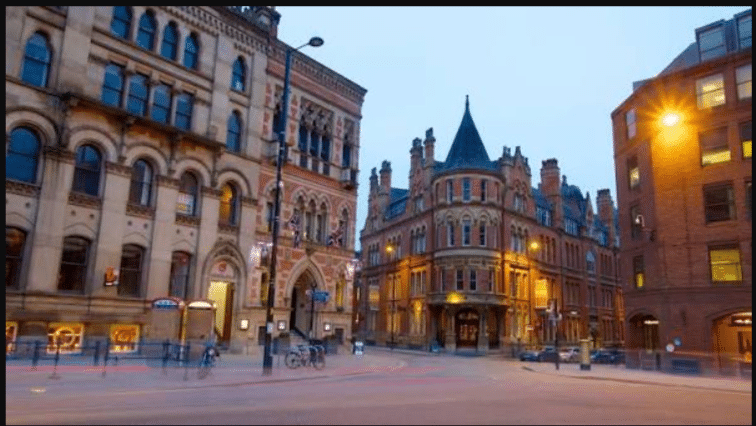
Manchester recorded 18.29%, making it the highest-ranking city in the North West. Greater Manchester’s population includes significant South Asian, Middle Eastern, and Eastern European communities, reflecting the city’s long history as a destination for migration.
#12 Oxford: Another University City on the List
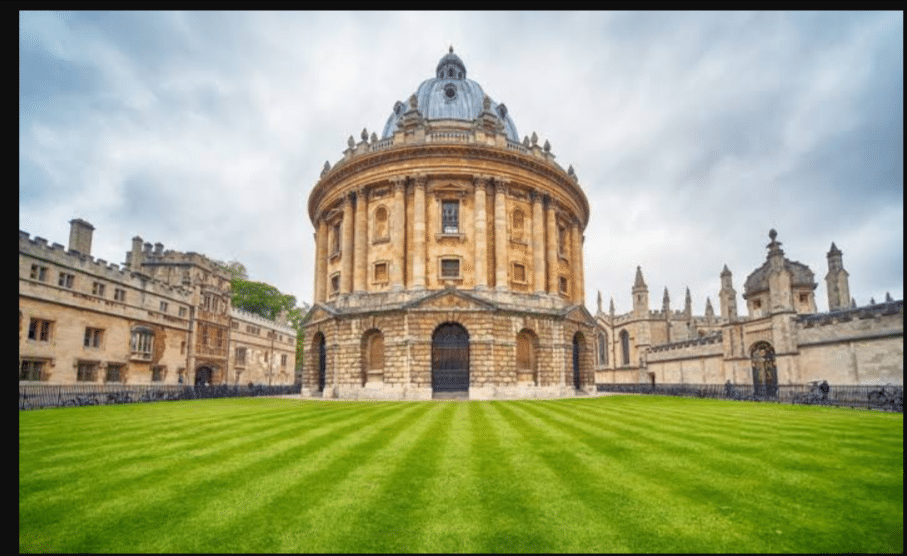
Oxford recorded 18.14%. Like Cambridge, Oxford’s status as a global university city draws international students and academics, contributing to its linguistic mix.
#13 Coventry: The West Midlands’ Most Diverse City
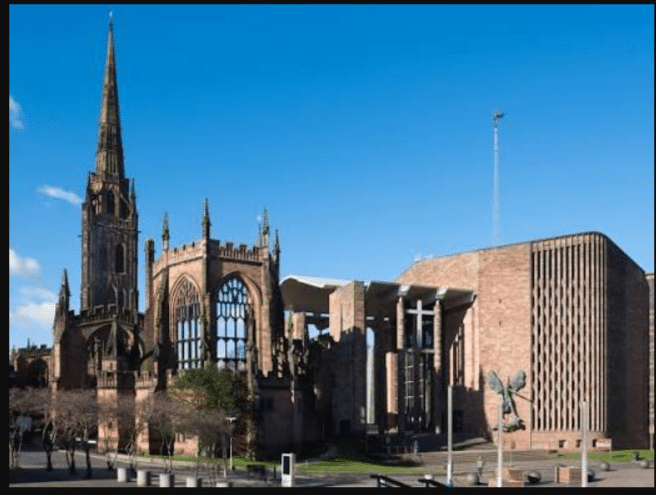
Coventry recorded 17.51%, the highest-ranking city in the West Midlands. The city has a long history of immigration linked to its manufacturing industry, alongside a growing international student population.
#14 Sandwell: The Black Country’s Diverse Borough
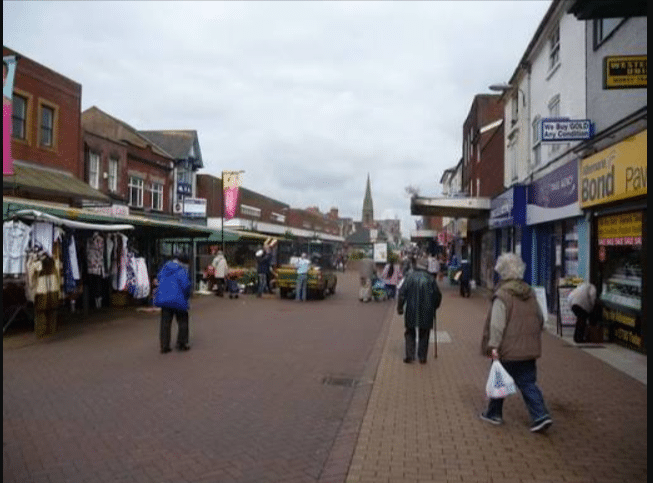
Sandwell recorded 16.44%. Part of the Black Country conurbation, Sandwell has significant South Asian communities, particularly Punjabi and Urdu speakers.
#15 Crawley: West Sussex’s Gatwick-Driven Diversity
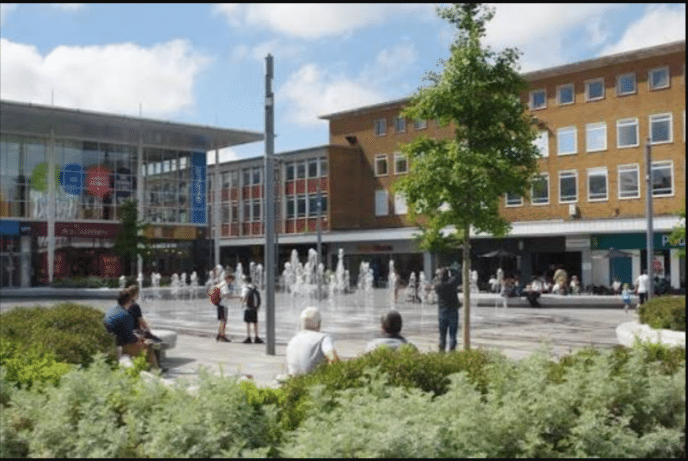
Crawley recorded 15.67%. As the town closest to Gatwick Airport, Crawley has a significant international workforce linked to the aviation industry.
#16 Birmingham: The UK’s Second City
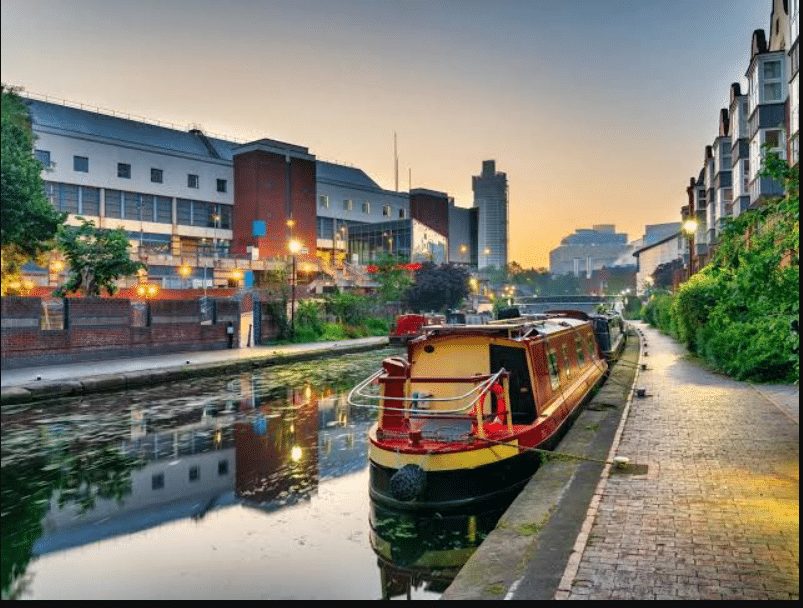
Birmingham recorded 15.57%. Despite being the UK’s second-largest city, Birmingham ranks behind several much smaller towns on this list — though it remains home to one of the largest and most established South Asian communities in the country.
#17 Southampton: A South Coast Port City
Southampton recorded 15.39%. As a major port and university city, it has attracted international students, maritime workers, and Eastern European communities.
#18 Rushmoor: Hampshire’s Military Town
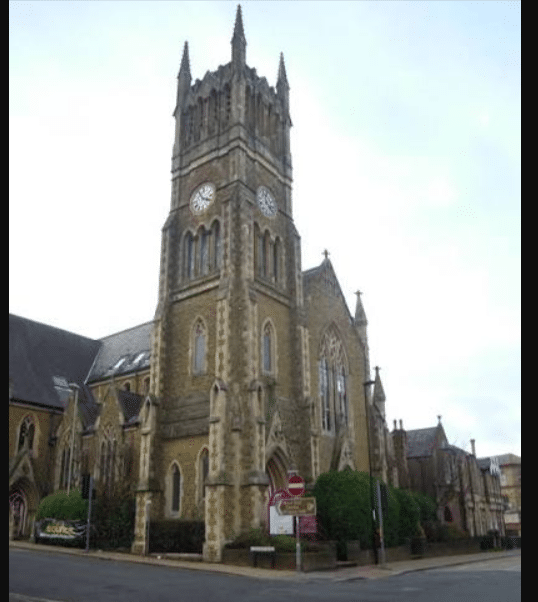
Rushmoor (covering Aldershot and Farnborough) recorded 15.03%. The area’s long association with the British Army has brought a Nepalese Gurkha community, alongside other international residents linked to nearby aerospace and defence industries.
#19 Wolverhampton: The Black Country’s Second City
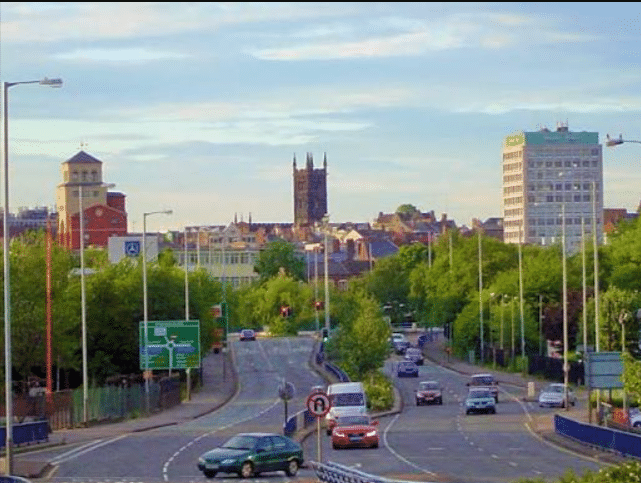
Wolverhampton recorded 15.02%. Like neighbouring Sandwell, the city has a long-established South Asian community linked to its manufacturing heritage.
#20 Nottingham: The East Midlands’ Second Entry
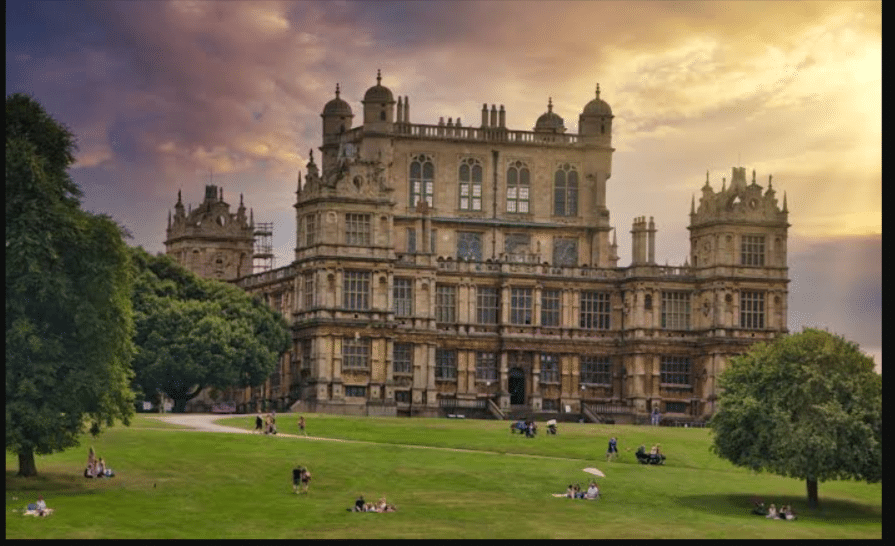
Nottingham recorded 14.32%. The city has a diverse population including significant South Asian, African, and Eastern European communities.
#21 Derby: Rounding Out the List
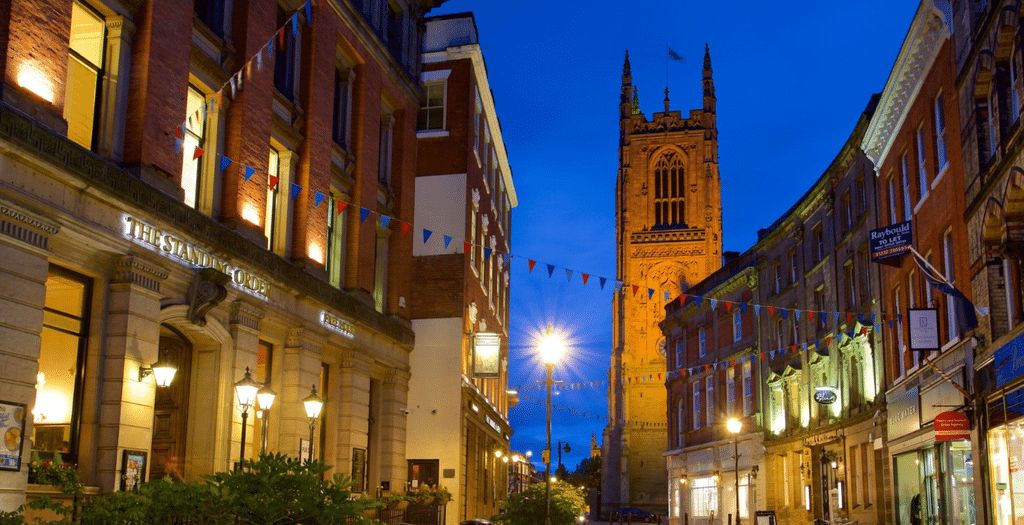
Derby recorded 12.95%, the lowest of the 21 places on this list. The city’s manufacturing heritage, particularly in engineering and rail, has drawn workers from across the world over several decades.
Full List at a Glance
| Rank | Place | % Main Language Other Than English |
| 1 | Newham (London) | 34.63% |
| 2 | Brent (London) | 33.68% |
| 3 | Leicester | 30.04% |
| 4 | Slough | 27.32% |
| 5 | Luton | 23.06% |
| 6 | Boston | 20.71% |
| 7 | Cambridge | 20.02% |
| 8 | Peterborough | 19.95% |
| 9 | Watford | 19.03% |
| 10 | Reading | 18.87% |
| 11 | Manchester | 18.29% |
| 12 | Oxford | 18.14% |
| 13 | Coventry | 17.51% |
| 14 | Sandwell | 16.44% |
| 15 | Crawley | 15.67% |
| 16 | Birmingham | 15.57% |
| 17 | Southampton | 15.39% |
| 18 | Rushmoor | 15.03% |
| 19 | Wolverhampton | 15.02% |
| 20 | Nottingham | 14.32% |
| 21 | Derby | 12.95% |
Data Collection and Processing
Data was sourced directly from the Office for National Statistics, Census 2021, dataset TS024 — “Main language (detailed)”, covering all usual residents aged 3 years and over across 331 lower tier local authorities in England and Wales.
For each local authority, all recorded main languages other than “English (English or Welsh in Wales)” were summed and divided by the total resident population aged 3+ (excluding “does not apply” responses) to produce a percentage. The two highest-ranking local authorities nationally were included first, followed by the highest-ranking result from each of the next 19 distinct towns and cities, to ensure the list reflects diversity across the country.
Source: ONS Census 2021, Main language (detailed), dataset TS024
Conclusion
From Newham’s remarkable linguistic diversity to Boston’s surprising rise above much larger cities, this list shows that multilingualism in the UK doesn’t always follow the pattern you’d expect. While London remains the country’s most linguistically diverse region overall, smaller towns like Boston, Cambridge, and Peterborough prove that language diversity is a truly nationwide story — not just a big-city phenomenon. As migration patterns continue to shift, it will be interesting to see how these rankings evolve when the next census data is released.
