

Did you know that over 500 million people speak Spanish across the globe?
It’s not just the official language of Spain and Latin America—Spanish is also a growing force in the United States and parts of Africa. Whether you’re planning a trip, using apps like Babbel to build fluency, or exploring modern AI language tools for faster practice, knowing where Spanish is spoken can unlock a world of opportunity.
In this guide, we’ll explore every Spanish-speaking country in 2026, uncovering not just names on a map, but the stories, dialects, and identities that shape the global Spanish-speaking community. ¡Vamos
Full List of Spanish Speaking Countries in 2026

Ah, the full list of Spanish-speaking countries in 2026—this one took me down a rabbit hole, not gonna lie.
So here’s the deal: when people say “Spanish-speaking countries,” most folks just think about Spain and maybe Mexico.
But omg, there are 21 Spanish speaking countries where Spanish is the official language—official, meaning it’s used in government, schools, road signs, the whole nine yards. I used to mix up countries where people just speak Spanish with countries where Spanish as their official language is actually recognized.
Big mistake. Turns out, places like the Philippines or Belize aren’t on that list of 21 official Spanish-speaking countries, even though Spanish is widely spoken there by some communities.
Here’s your solid, up-to-date list of the 21 countries around the world where Spanish serves as the official language in 2026:
Countries in South America:
- Argentina (largest Spanish-speaking country)
- Bolivia
- Chile
- Colombia
- Ecuador
- Paraguay
- Peru
- Uruguay
- Venezuela
Countries in Central America:
- Costa Rica
- El Salvador (smallest country in Central America where Spanish is official)
- Guatemala
- Honduras
- Nicaragua
- Panama
Other Spanish-Speaking Countries:
- Mexico (largest Spanish speaking population with over 130 million native Spanish speakers)
- Spain
- Cuba
- Dominican Republic
Country in Africa:
- Equatorial Guinea (the only Spanish-speaking country in Africa)
U.S. Territory:
- Puerto Rico (technically a U.S. territory, but Spanish as an official language is recognized)
Now, here’s where things get tricky: there are secondary regions where many people speak Spanish too.
Like, did you know Andorra doesn’t list Spanish as its official language but a TON of people speak Spanish daily? Same with parts of the U.S., especially in places like California, Texas, Florida—Spanish is everywhere, with over 50 million Spanish speakers, just not “official” in the government-y sense.
And oh! Spanish is also co-official in places like Paraguay (alongside Guaraní) and Bolivia (alongside Quechua and Aymara). I had no idea until I was planning a trip and realized half the signs were in both languages using the Spanish language alongside indigenous ones. Mind = blown.
So yeah—don’t just Google “Spanish countries” and copy-paste the first list you see when looking at countries that speak Spanish. Make sure you understand the difference between primary, co-official, and regional use.
That context matters, especially if you’re writing for travel blogs or educational stuff about Spanish speaking countries in the world. Trust me—I messed that up once in an article and got roasted in the comments .
Hope this list helps you sort it all out. Spanish is everywhere—it just wears different hats depending on where you are among the many Spanish-speaking countries.
Spanish in Latin America
Okay, so let’s talk about Spanish in Latin America—because oh boy, it’s not one-size-fits-all. I learned that the hard way when I tried chatting with a friend from Argentina using the same phrases I picked up from a Colombian YouTuber. Yeah… didn’t go well
Spanish is everywhere across Central America and South America, but each country (and even regions within countries) adds its own flavor to this widely-spoken language in the world.
Like, in Mexico, Spanish is super clear and kind of the standard Spanish you hear in a lot of language courses.
But then you get to Argentina, and it’s like—what is happening?! They use something called Rioplatense Spanish, which means they say “vos” instead of “tú,” and their accent almost sounds Italian.
It’s wild and honestly kind of beautiful once your ear gets used to this Spanish dialect.
Then there’s Caribbean Spanish—places like Cuba, the Dominican Republic, and Puerto Rico. Puerto Rican Spanish is especially unique with its fast pace and dropped consonants.
I remember listening to a podcast from San Juan and thinking it was a different language at first. They drop consonants like crazy, speak super fast, and it’s full of Spanish slang. Super expressive though—I lowkey love it.
And don’t sleep on Andean Spanish (Peru, Bolivia, parts of Ecuador and Colombia). It’s slower, more formal, and has this musical tone that makes it easier to understand for beginners who want to learn how to speak Spanish.
If you’re looking for a Spanish tutor or trying online Spanish courses, this form of Spanish is such a good place to start.
Also, each American country has its own little quirks. Like:
Mexico: Tacos, telenovelas, and “¡órale!” vibes. Their Spanish is everywhere in pop culture, and with over 130 million people, it’s home to the largest Spanish-speaking population.
Argentina: Tango, mate tea, and poetic expressions. Their way of speaking is super unique among Spanish-speaking countries.
Colombia: Super neutral in Bogotá, but get near the coast? Totally different rhythm with coastal Spanish variations. Plus, Colombians are some of the kindest people I’ve ever spoken Spanish with.
Venezuela: Venezuelian Spanish has its own charm, though many Venezuelan speakers have migrated, spreading their dialect across other American countries.
Chile: Chilean Spanish is notoriously fast and full of unique expressions that even other native Spanish speakers find challenging.
Panama: Panamanian Spanish reflects the country’s history as a crossroads, blending influences from Spanish colonies and modern global connections.
Honduras: Honduran Spanish maintains many traditional features while incorporating local indigenous influences.
Bottom line: Spanish in Latin America is more like a collection of regional varieties than one uniform thing. The Spanish Empire left its mark differently across these countries are located throughout the Americas.
If you’re learning the language, pick a region that vibes with your goals—whether it’s travel, music, or just sounding cool when you roll your R’s.
Spanish in Europe
Ah, Spain—the OG when it comes to the Spanish language. It’s wild to think how one country’s language spread across continents during Spanish rule, but yeah, it all started here.
And if you think Spanish is just Spanish in Spain, buckle up, because the regional differences? They’re real.
So first off, Castilian Spanish is what most people learn when they study European Spanish online.
It’s spoken in central and northern Spain and has that famous “th” sound—like they say grathias instead of gracias. The first time I heard that, I honestly thought the person had a lisp. Spoiler: they didn’t. This is considered standard Spanish in many European contexts.
Then there’s Andalusian Spanish, spoken down south. It’s fast, smooth, and drops a lot of letters—like turning estás into etá. Honestly, it feels super laid back, kind of like the beach towns where it’s spoken.
But if you’re new to Spanish? It can be tough to follow, even if you’re already fluent in Spanish from other regions.
Now here’s the curveball: Catalan. It’s not a dialect of Spanish—it’s a whole other language. Same goes for Basque and Galician.
These are co-official languages in their regions, and people grow up speaking both that and Spanish. I once got lost in Barcelona and realized every street sign was in Catalan, not Spanish.
That was a humbling moment for someone trying to use Spanish as their primary language for navigation.
The European Union has a pretty interesting take on all this. Spanish is the fourth most spoken language in the world and one of the EU’s 24 official languages, so you’ll find it in legal docs, translation services, all that.
But they’re also big on protecting linguistic diversity, so regional languages like Catalan and Basque get love too—just not as much at the EU level. It’s a balancing act between unity and respecting local culture.
So yeah, Spanish in Europe is layered.
If you’re heading to countries in Europe or studying the language, it’s worth knowing which region you’re dealing with. Trust me—saying grathias in Madrid hits different than saying gracias in Seville.
Spanish in Africa and the Rest of the World
Most people are shocked when they hear that Spanish is spoken in Africa. But yes—Equatorial Guinea actually lists it as one of its official languages.
It’s the only official Spanish-speaking country in Africa, and Spanish is used in schools, politics, and media there, making it unique among countries of the world.
But Spanish didn’t stop there. In Western Sahara, Spanish influence still lingers from colonial days when it was part of the former Spanish colonies.
You’ll find older folks and exiled communities still using it. Over in northern Morocco, especially around cities like Tetouan and Ceuta, Spanish is part of daily life due to close ties with Spain.
And then there’s the Philippines. Spanish used to be official there too during Spanish rule, and although it’s no longer widely spoken, its fingerprints are everywhere—last names, street names, even vocabulary in Tagalog.
You’d be surprised how much Spanish you’ll pick up just walking around Manila, remnants of when it was part of the Spanish Empire.
Beyond that, there are pockets of Spanish speakers around countries around the globe—Israel, Switzerland, Sweden, and even Japan—thanks to immigration and global communities.
With over 500 million Spanish speakers worldwide, Spanish really is everywhere, even in places you’d never expect. These communities often speak Spanish as their primary language at home while adapting to their new countries.
Spanish as a Second Language Worldwide
The growth of Spanish learners around the world is wild. Right now, over 600 million people in the world speak Spanish globally, including about 499 million native Spanish speakers and around 78 million second-language speakers.
On top of that, about 24 million people are actively learning Spanish online and through traditional methods—and that number keeps climbing every year.
In the United States, Spanish is everywhere. Over 43 million people speak Spanish as their primary language at home, and when you count in heritage speakers and second-language learners, that number jumps closer to 59 million.
In fact, the 2023 American Community Survey shows that Spanish is by far the most spoken non-English language in U.S. households.
That makes the U.S. the second-largest Spanish-speaking population in any country in the world after Mexico. If you grew up hearing Spanish at home or in your neighborhood, you know how normal it is to switch between English and Spanish like it’s no big deal.
Spanish is the second most spoken language in the world by native speakers, making it incredibly valuable globally.
And Spanish isn’t just popular in homes—it’s become a major player in global business and media. If you work in marketing or customer service, knowing Spanish opens doors to over 20 major markets across Latin America and Europe.
Global brands are leaning into this hard, offering bilingual support, Spanish-language ads, and region-specific content just to stay relevant to the millions of Spanish speakers worldwide.
On top of that, Spanish is an official language in major organizations like the UN and EU, and it plays a big role in diplomacy.
A lot of countries even use Spanish as an official language cultural institutes to promote Spanish abroad, spreading both the language and the culture.
So here’s the deal:
- Spanish is growing fast as a spoken language in the world
- The U.S. has more Spanish speakers than most people realize
- If you’re in business, education, or media—Spanish isn’t optional anymore
- And if you’re learning Spanish? You’re not alone. You’re joining one of the biggest global language movements out there
Travel Tips for Spanish Speaking Countries
Traveling to the many Spanish-speaking countries? It’s a game-changer if you know even a little Spanish. In some places, you can totally get by with English—but in others? Yeah, good luck ordering food or asking for directions unless you speak the local language.
Top places where Spanish really matters? Think rural areas in Mexico, small towns in Peru, Guatemala, or the Andalusian region of Spain.
Big cities like Madrid or Buenos Aires usually have someone who speaks a bit of English, but once you’re outside the tourist zone among the 21 Spanish-speaking countries? Spanish becomes essential.
Now let’s talk dialect survival when you use Spanish while traveling. In Argentina, they say “vos” instead of “tú.” In Cuba or the Dominican Republic, words are slurred or cut off.
So when someone says ¿’ta bien?, they’re not being lazy—it’s just how they talk in their Spanish dialect. The key? Listen more than you speak at first. And if you mess up, laugh it off.
Cultural etiquette matters too across Spanish speaking countries in South America and Central America.
In Spain, don’t rush conversations. In Latin America, especially Colombia or Ecuador, greet everyone when you enter a room.
Say “buenos días.” Don’t skip small talk—it’s part of the culture whether you’re visiting countries around the Caribbean or the Andes.
Download an offline translator. Jot down key phrases in the local Spanish dialect. Being respectful and just a little prepared makes all the difference when exploring the countries that speak Spanish.
How to Learn Spanish Based on Region
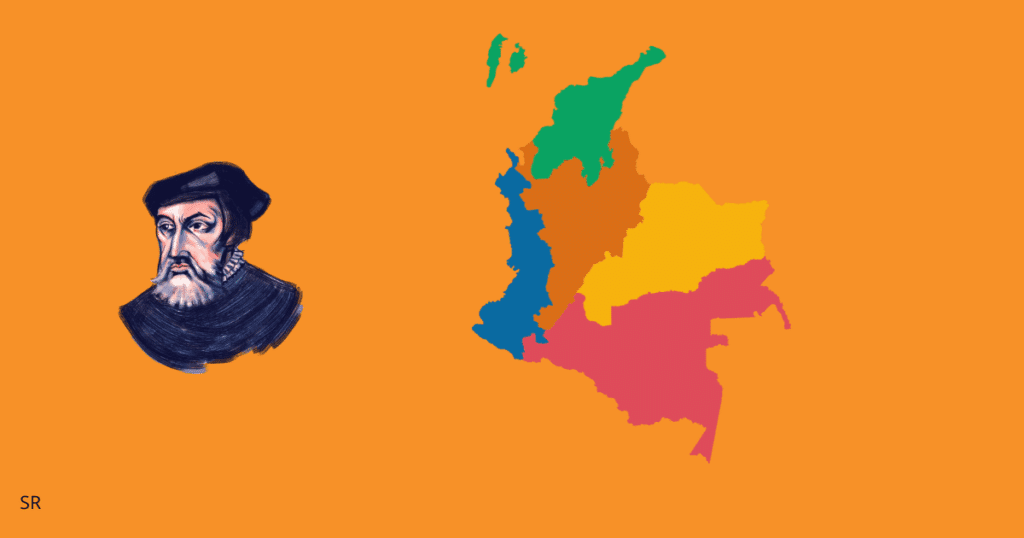
When you’re starting to learn how to speak Spanish, one of the first curveballs is this: which Spanish? Because yeah, it’s not all the same across the 21 official Spanish-speaking countries. Different regions have different accents, slang, and even grammar quirks.
So picking the right dialect to start with actually makes learning way smoother.
If you’re just beginning, start with Latin American Spanish—especially from Colombia or Mexico. Their accents are clear, and most courses use them.
Colombian Spanish (from Bogotá) is super beginner-friendly and close to standard Spanish taught in schools.
If your goal is Spain, then go for Castilian Spanish.
Just know it has differences like the “th” sound and different verb forms. And maybe hold off on Argentine Spanish unless you’re planning to live there—it’s beautiful but tricky at first, even for people who are already fluent in Spanish from other regions.
Pick resources based on dialect. For Latin America, try Duolingo, Busuu, SpanishDict for online Spanish learning. For Spain, Clozemaster or Practica Español work well.
YouTube is loaded with native content by country—just search by the region you’re interested in among the Spanish speaking countries in the world.
For immersion? Watch shows from your target country, change your phone language, or join a language exchange. Apps like Tandem or HelloTalk are packed with native Spanish speakers happy to help, including people from all the countries are located throughout the Spanish-speaking world.
Although Spanish variations exist, stick to one dialect for a while. Master one form of Spanish first, and everything else gets easier after that.
Whether you’re aiming to join the millions of Spanish speakers worldwide or just want to travel more confidently, consistency is key.
Conclusion:
Spanish is more than just a language—it’s a living, breathing bridge between continents, cultures, and communities.
From the bustling streets of Mexico City to the sun-soaked coasts of Spain, Spanish connects over 20 countries in 2026.
Whether you’re learning for travel, career, or curiosity, understanding where Spanish is spoken will deepen your connection to the language and the people who speak it.
So why wait? Dive in, explore, and embrace the global rhythm of Español. ¡Buena suerte!
