
German is easier and more globally useful, while Polish offers deep cultural immersion in Central and Eastern Europe.
Learning a new language can open doors — but choosing between Polish and German isn’t simple. Both languages carry history, culture, and career opportunities. In this article, we’ll break down the main differences and help you decide which one matches your goals.
Not sure which one to commit to yet?
Trying a few of the best language learning apps like babbel— especially newer AI language learning apps — can give you a quick taste of both.
You can also explore app comparisons for languages like Spanish if you’re still weighing your options.
Which Language is Easier to Learn — Polish or German?
German is generally easier for English speakers because it shares more grammar and vocabulary with English and has tons of learning resources.FSI estimates suggest German takes around 900–1,100 study hours, while Polish requires 1,100–1,300 hours The difference? Grammar complexity, cases, and pronunciation all add up to make Polish the tougher option.
When I first dipped into Polish, I thought, “how hard can it be? It’s European, right?” OMG, I was wrong. German already had its tricky grammar, sure, but at least some words felt familiar—Haus for house, Apfel for apple. With Polish, I’d stare at words like przyjaciel (friend) and just freeze. My tongue had no idea what to do.
Here’s what stood out for me:
- Grammar: German has 4 cases (nominative, accusative, dative, genitive). Manageable with practice. Polish hits you with 7 cases. Every single noun can change shape depending on its role in the sentence. It’s like juggling while solving math problems.
- Vocabulary: German is way closer to English. You’ll constantly find “cousin words.” Polish? Not so much. It’s Slavic, so the overlap is tiny, and you feel like you’re starting from zero.
- Pronunciation: German sounds sharp but logical. Once you learn the rules, you can usually predict how to say something. Polish loves to throw in consonant clusters like szcz or prz, and your mouth feels like it’s doing gymnastics.
I totally messed this up once when I tried to say “thank you” (dziękuję). What came out of my mouth was so mangled that the Polish guy I was talking to just laughed and patted my shoulder like, “nice try, man.” In German, I never had that level of embarrassment—danke is short and simple.
Tips from trial and error:
- If you want faster wins and motivation, go German. The overlap with English will keep you from burning out.
- If Polish is your passion (maybe family roots or you’re moving there), brace yourself. Learn one case at a time and practice short phrases daily.
- For pronunciation, record yourself. I only improved my Polish sz sounds after hearing how bad I sounded compared to natives.
Takeaway: For English speakers, German is the easier, more practical choice, especially for careers in Europe or just casual travel. Polish isn’t impossible—it’s just heavier lifting. Think of German as running a 10K and Polish as training for a marathon. Both rewarding, but one definitely takes less sweat.
Career Opportunities — Polish vs German
German opens far more career doors in Europe, especially in business, tech, and engineering, while Polish is a niche advantage for trade and regional roles in Central and Eastern Europe. German is the safe bet for global careers, but Polish can give you a unique edge in specialized fields.
When I first thought about learning a second language for work, I jumped straight to German. Everyone said, “It’s the language of business in Europe,” and they weren’t kidding. After a few months of study, I realized how many job listings in tech and engineering preferred or even required German. Meanwhile, my friend who studied Polish landed a cool gig in EU-focused research—so both languages can open doors, just very different ones.
Why German is the powerhouse:
- It’s the most widely spoken native language in Europe (over 90 million).
- Germany’s economy is massive, and industries like STEM, automotive, finance, and pharmaceuticals love bilingual employees.(OECD Economic Outlook)
- Cities like Berlin, Munich, and Frankfurt are hubs for international companies. If you know German, you stand out in applications across the EU.
I saw this firsthand when I applied for a remote writing job at a German firm. They literally said, “Even a little German is a big plus.” That small edge helped me beat out other applicants.
Why Polish still matters (and sometimes shines):
- Poland’s economy has been booming in the last decade, especially in trade, IT outsourcing, and cultural industries.
- If your company has ties in Central or Eastern Europe, Polish is golden for building trust with local partners.
- It’s also a niche skill for diplomacy, translation, and EU expansion projects, since Poland plays a growing role in the EU.
One of my friends worked at an NGO in Brussels, and Polish gave her a crazy advantage because there were so few people who could bridge policy discussions with Polish-speaking officials. That’s the kind of hidden career leverage you don’t see in job ads but makes a huge difference.
Quick breakdown (pros & cons):
- German: Global recognition, higher demand, better pay scales, but also high competition.
- Polish: Regional advantage, unique skill set, cultural depth, but fewer job openings.
Takeaway: If your goal is broad career mobility and higher earning potential, go German. If you’re aiming at niche markets, EU politics, or deep regional ties, Polish can be your secret weapon. Honestly, if you’ve got the time, pairing them together would make you a serious European asset.
How Do Polish and German Cultures Compare?
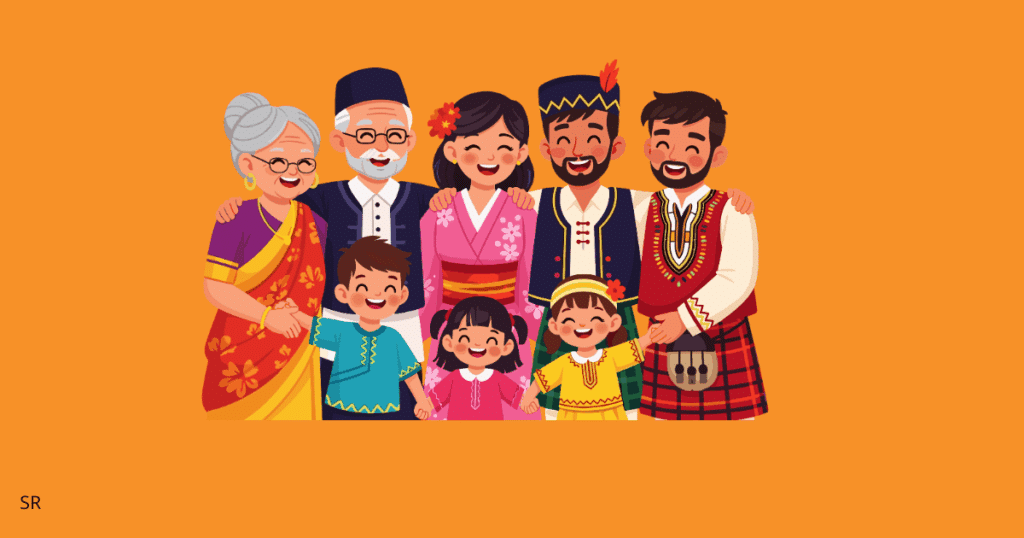
Polish culture is rooted in history, Catholic traditions, and strong community ties, while German culture is known for innovation, festivals, philosophy, and music. Both offer unique immersion opportunities: Poland with its heritage and warmth, Germany with its global reach and structured lifestyle.
When I first visited Poland, I was blown away by how central community and tradition were. Every holiday, every gathering felt like an anchor to the past. In Kraków, you see medieval squares buzzing with locals who know each other by name, and you feel like you’ve stepped into a living history book. Compare that to Berlin, where the vibe is more modern, international, and experimental. Both are amazing, just in totally different ways.
Polish culture highlights:
- Deep Catholic traditions shape holidays, family life, and even national identity.
- Literature is a big deal. Writers like Adam Mickiewicz and Nobel laureate Wisława Szymborska are cultural icons.
- There’s a strong sense of community and resilience, partly due to Poland’s turbulent history.
German culture highlights:
- Famous for innovation and precision—whether it’s engineering, research, or design.
- Festivals like Oktoberfest and Christmas markets bring people together in big, joyful ways.
- Rich intellectual tradition: philosophers like Kant and Nietzsche, and composers like Beethoven and Bach still influence the world today.
Travel immersion:
- In Poland, you can wander Kraków’s cobblestone streets or hike the Tatra Mountains for a mix of culture and nature.
- In Germany, Berlin offers nightlife and art, while the Black Forest or Bavarian Alps feel straight out of a fairy tale.
Which Culture Helps Motivation?
Honestly, this depends on what drives you.
- Polish motivation: If you have family roots or a love for cultural depth, Poland keeps you hooked. The sense of belonging and heritage is huge. I had a Polish friend who said learning the language helped her finally connect with her grandparents—massive emotional motivation.
- German motivation: If you thrive on structure, global media, and travel perks, German culture pulls you in. Germany’s infrastructure makes it easy to practice, from films and podcasts to study programs. When I stayed in Munich, I loved how easy it was to blend travel with language learning—train stations, menus, even random ads became practice material.
Takeaway: Polish culture motivates through personal connection and tradition, while German culture fuels learners with global presence and everyday accessibility. Both can keep you going—it just depends on whether you’re more driven by heart or by reach.
Polish vs German in Media and Daily Life
German dominates globally in media, music, and online content, while Polish is more regional but steadily gaining visibility in gaming, literature, and film. For learners, German resources are everywhere, while Polish materials are growing but still harder to find.
When I first started dabbling in German, I was shocked at how easy it was to stumble across content. Netflix had German shows, YouTube was packed with creators, and even Spotify playlists made practice feel natural. Switching to Polish, though? Whole different game. Unless you dig deep, you won’t find Polish in your feed without actively searching for it.
German media presence:
- Tons of Netflix shows (Dark, Babylon Berlin) and German films that go international.
- Music ranges from classical giants like Beethoven to modern rap and pop stars with global reach.
- YouTube and podcasts in German are abundant, covering every niche from tech reviews to cooking.
Polish media presence:
- Strong in literature—Polish authors like Olga Tokarczuk (Nobel Prize winner) are gaining worldwide recognition.
- Gaming is huge. Poland gave us The Witcher series and Cyberpunk 2077, which carry Polish culture to global audiences. Poland’s gaming industry is also one of the fastest growing in Europe(Polish Investment and Trade Agency)
- Cinema has a proud tradition (Kieslowski’s films, for example), but it’s more regional compared to German media.
Daily life for learners:
- German: Super learner-friendly. Road signs, ads, and menus reinforce the language constantly. Plus, global learners mean tons of apps, grammar guides, and even AI tutors available.
- Polish: You’ll find less mainstream content, but that’s changing. Duolingo, podcasts, and smaller YouTube creators are slowly making Polish more accessible. The real immersion happens when you’re in Poland—daily conversation is where you pick it up fastest.
I remember binge-watching Dark in German with subtitles and feeling like I was “cheating” at learning. With Polish, I tried watching The Witcher interviews and suddenly realized half the cultural references were lost on me. But weirdly, that challenge made it stick harder—I had to slow down, replay, and actually work for the language.
Takeaway: If you want instant access to global content, German makes daily practice effortless. Polish is still catching up, but it shines in gaming, literature, and those immersive local experiences. Think of German as the “plug-and-play” option, while Polish is more like “work for it, but it’ll feel special when you get it.
H2: Comparison Table — Polish vs German
| Feature | Polish | German |
|---|---|---|
| Difficulty (FSI) | 1,100–1,300 hours | 900–1,100 hours |
| Grammar Cases | 7 | 4 |
| Speakers Worldwide | ~40 million | ~130 million |
| Career Usefulness | Regional (Eastern Europe) | Global (EU, business, STEM) |
| Media Availability | Limited global reach | Wide global availability |
| Cultural Immersion | Heritage, traditions, history | Innovation, festivals, travel |
Which Should You Learn First — Polish or German?
Start with German if your goals are career, mobility, and faster progress. Polish makes sense if you’re driven by culture, family ties, or personal passion. Many learners start with German first and then pick up Polish later once they have momentum.
When I was torn between these two, I had to be brutally honest with myself: did I want quicker wins or deeper cultural roots? German gave me the “fast track” — more resources, more overlap with English, and way more career opportunities across Europe. Polish felt like the heart choice, something you take on because of family heritage or love for Central European culture.
Why German first works for most people:
- Learning curve: Around 900–1,100 FSI hours, compared to 1,100–1,300 for Polish. That 200-hour gap really matters when you’re juggling work or school.
- Resources: Textbooks, apps, Netflix shows, podcasts—you’ll never run out of German content.
- Careers: From engineering in Munich to finance in Frankfurt, German opens doors all over Europe.
Why Polish might still be your first pick:
- Personal connection: Family roots, heritage, or close friends can make Polish the more rewarding choice emotionally.
- Culture: Poland’s history, literature, and traditions are unique, and learning Polish gets you deeper access.
- Regional edge: For work tied to Central/Eastern Europe or EU expansion, Polish is a niche advantage.
I’ll be real: when I tried to learn Polish first, I got overwhelmed with cases and pronunciation. I switched to German, built confidence there, and came back to Polish later with more discipline. It felt like leveling up in a game—once I had “beat” German, I was ready to tackle Polish on hard mode.
Quick guide for deciding:
- Travel + cultural passion → go Polish.
- Career + global communication → start with German.
- Both? Do German first, then add Polish when you’re ready for the challenge.
Takeaway: German is the practical starter language; Polish is the passion project. The order isn’t about which one is “better,” but which one lines up with your goals right now.
Conclusion
Both Polish and German are rewarding to learn, but they serve different goals. German is the better first choice for most learners thanks to its global reach and easier learning curve. Polish, however, offers cultural depth and unique regional opportunities. Start with the one that aligns with your priorities — and remember, you can always learn both over time.
Call-to-action: Ready to get started? Try a language learning app like Babbel or practice daily with podcasts to make progress fast.
H2: FAQs — Polish vs German
Is Polish harder than German?
Yes, Polish grammar and pronunciation are generally more complex than German.
Which language is more useful for jobs?
German is more valuable in global business and STEM industries, while Polish is niche but useful in Eastern Europe.
How many people speak German vs Polish?
German: ~130 million speakers. Polish: ~40 million speakers.
Can I learn Polish before German?
Yes, but most learners start with German since it’s easier and more globally useful.
Which language has more resources for learners?
German has far more apps, textbooks, podcasts, and online courses compared to Polish.
