

You’re ordering coffee, asking someone for directions, or requesting a small favor—and suddenly you need to say “please” in Spanish! The safest and most common answer is por favor, but that is only the beginning.
When I first started speaking Spanish, I assumed I could simply add por favor to every request and automatically sound polite.
Grammatically, that often works, but native speakers also use shorter expressions such as porfa, softer question structures, and formal phrases that depend on the situation. same.
In this guide, you’ll learn how to say “please” in Spanish with friends, strangers, customers, older people, and romantic partners—without sounding robotic, overly formal, or accidentally impatient.
Want to know the apps to learn languages? Then check out my guide on the best language learning apps like Babbel and AI language learning tools too.
How Do You Say Please in Spanish?
The most common way to say please in Spanish is por favor. It’s one of the first expressions every learner meets because this fundamental Spanish phrase works with friends, strangers, waiters, coworkers, and almost anyone else.
POR FAVOR
Spanish: Por favor Literal translation: “For favor” Natural translation: “Please” Pronunciation: por fah-VOR Context: Neutral — casual or formal
Stress the final syllable in favor, and keep the Spanish “r” light. Honestly, this pronunciation sounds much smoother than using a heavy English “r.”
You can place por favor before or after a request:
Por favor, cierra la puerta. “Please close the door.”
Cierra la puerta, por favor. “Close the door, please.”
Putting it at the end usually feels more conversational. Placing it first adds emphasis and may sound slightly more serious, especially when you need someone’s attention.
At a café, you might say:
—Un café, por favor. “A coffee, please.” —Claro, enseguida. “Of course, right away.”
This phrase is understood across Spain and Latin America.
If you want to see how the same two words shift meaning across dozens of real sentences, SpanishDict’s translation entry for por favor collects example usage with audio pronunciations.
The words por favor stay the same; the verb around them makes the full request casual or formal. Once you learn how to use por favor naturally, you’re ready to make complete requests without sounding like a textbook.
Formal and Casual Ways to Say Please in Spanish
Spanish politeness depends on more than one word. Pronouns, verb forms, sentence structure, and especially tone decide whether a request sounds friendly, respectful, demanding, or oddly stiff.
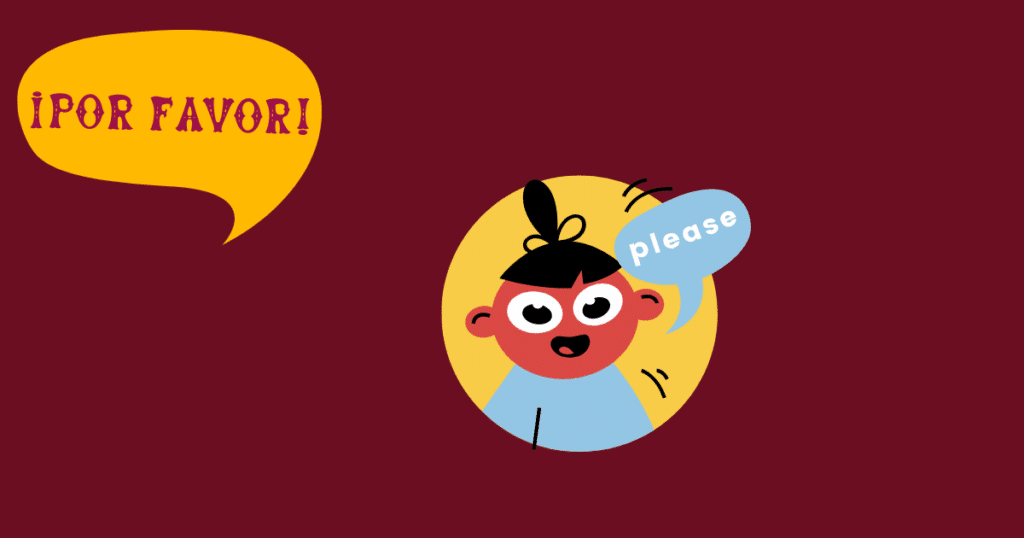
Por favor means “please,” literally “for favor.” Pronounced por fah-VOR, it is neutral and works in most situations: ¿Puede ayudarme, por favor? means “Can you help me, please?” The formal verb puede makes this a polite request.
Among friends and family, people often shorten it to porfa: Mándame la foto, porfa — “Send me the photo, please.” Pronounced POR-fah, it sounds warm and relaxed in informal contexts.
I wouldn’t use it in a job interview, formal message, or with an older stranger. If you’re curious why porfa gets written as one word while por favor stays as two, the Real Academia Española’s dictionary entry for favor is the closest thing to an official ruling on it.
Porfi or porfis is even cuter. Pronounced POR-fee/POR-fees, it works like “pretty please”: Quédate un poco más, porfi — “Stay a little longer, please.” It may sound affectionate, childish, or overly playful, depending on the speaker.
For greater formality, use ¿Sería tan amable de…?, pronounced seh-REE-ah tan ah-MAH-bleh deh. ¿Sería tan amable de repetirlo? means “Would you please repeat that?”
Finally, Hazme el favor de… means “Do me the favor of…” But watch the tone. Hazme el favor de escucharme can sound irritated: “Would you please just listen?” Next, let’s see which polite expressions fit everyday situations without making you sound too formal.
Regional Variations in Spain and Latin America
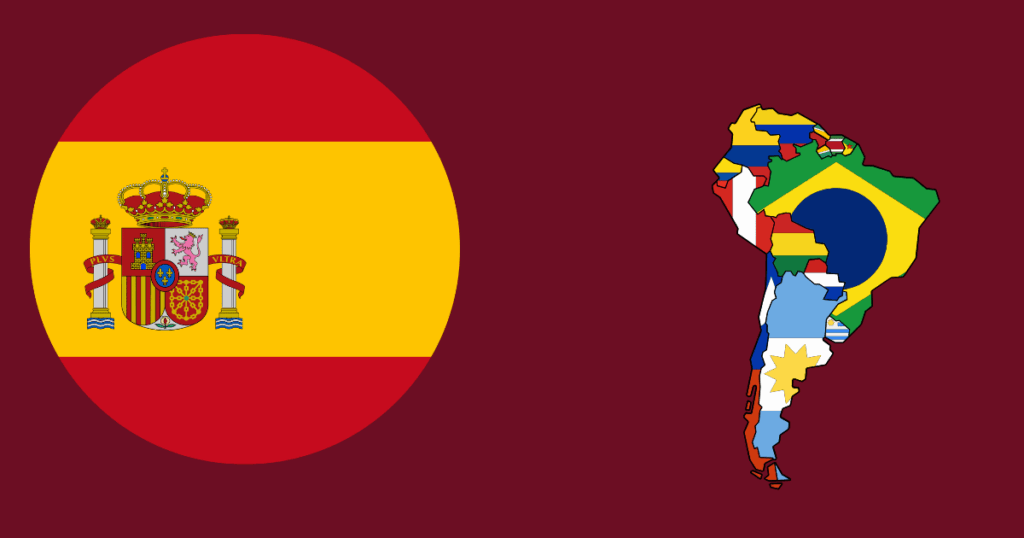
Por favor is universal across the Spanish-speaking world, but the request around it changes by region. Spanish speakers use verb forms, indirectness, and rhythm depending on the cultural context.
In Spain, you’ll hear: ¿Me puedes traer la cuenta, por favor? Literally, “Can you bring me the bill, please?” Naturally, “Could you bring me the bill, please?” Focus on PWEH-des and KWEN-tah. Porfa is common among younger speakers, while haz el favor or haga el favor may sound stern when said sharply.
In Mexico, a softer request is: ¿Me podría ayudar, por favor? It means, “Could you please help me?” Pronounce podría as poh-DREE-ah. Mexican Spanish uses indirect questions with strangers, employees, customers, and older adults. Honestly, this feels softer in a shop than a blunt command.
In Argentina, you may hear: Pasame eso, por favor — “Please pass me that.” Pronounce it pah-SAH-meh. The phrase stays unchanged, but speakers use voseo, so textbook tú forms can sound less local.
Elsewhere in Latin America, Colombia uses ¿Me regala un vaso de agua, por favor? meaning “Could I have a glass of water?” It isn’t asking for a free gift—just polite regional expression.
How to Pronounce Por Favor Correctly
The correct pronunciation of por favor is por fah-VOR. It literally means “for favor,” but naturally translates as “please,” and it works in neutral situations across the Spanish-speaking world.
Say por quickly, keeping the vowel short and finishing with a light tapped “r.” Pronounce fa like “fah,” never “fay,” then place the stress on the second syllable of favor: fah-VOR. In IPA, it is /poɾ faˈβoɾ/.
The Spanish v is softer than the English sound, often close to a gentle “b.” Avoid stretching vowels; clear, short vowels give Spanish speech its natural rhythm.
Por favor, habla más despacio. “Please speak more slowly.”
In casual conversation, shorten it to porfa, pronounced POR-fah:
Ven conmigo, porfa. “Come with me, please.”
For audio-style practice, repeat slowly, then naturally:
Por favor. Por favor. Un café, por favor.
Keep the final stress clear, and your pronunciation will sound smoother immediately with just a little practice.
Real Examples and Mini-Dialogues

The best way to learn por favor is through conversation, not isolated sentences. These short exchanges show how the phrase changes with context, whether you’re ordering food, speaking with a friend, or making a respectful request.
Ordering at a café — neutral
Customer: Un café con leche, por favor. “A coffee with milk, please.”
Server: Claro. ¿Algo más? “Of course. Anything else?”
Customer: No, gracias. “No, thank you.”
Literally, the first line says “A coffee with milk, for favor.” Stress favor and pronounce leche as LEH-cheh. This is the example you’ll use when you’re traveling.
Asking a friend — casual
A: ¿Me ayudas con esto? “Can you help me with this?”
B: Ahora no puedo. “I can’t right now.”
A: Ayúdame, porfa. Es rápido. “Help me, please. It’ll be quick.”
Say it ah-YOO-dah-meh POR-fah. The shortened form keeps the interaction informal.
Making a formal request
A: La reunión empieza a las ocho. “The meeting starts at eight.”
B: ¿Podría repetirlo, por favor? “Could you please repeat that?”
A: Sí, empieza a las ocho. “Yes, it starts at eight.”
This respectful wording also works with teachers, customer service staff, or when asking for directions.
Common Mistakes English Speakers Make
English speakers know por favor but still use it in ways that sound awkward. The trap is translating English word by word.
Never say para favor. Although para can mean “for,” the correct expression is por favor, pronounced por fah-VOR: Agua, por favor — “Water, please.”
If the por-versus-para distinction still trips you up in general, it’s worth reading up on separately, since SpanishDict’s guide breaks down the word-for-word translation of por favor and why “por,” not “para,” is the right choice here.
Also, por favor is not the verb “to please.” It only marks a request. “That pleases me” is Eso me agrada, never Eso me por favor.
Formality matters too. ¿Puedes ayudarme, por favor? is casual, while ¿Puede ayudarme, por favor? suits an unfamiliar adult or customer. Notice PWEH-des versus PWEH-deh.
Placement is flexible: it can appear at the beginning or end of a sentence. But adding it to every sentence may sound stiff or demanding. Spanish often uses questions, conditional verbs, disculpe, or ¿me podrías…?
Finally, hazme el favor is not friendly. Hazme el favor de no gritar can sound firm or frustrated: “Please stop shouting.” Tone changes everything.
Related Spanish Phrases and Natural Responses
Learning por favor is only part of Spanish politeness. To make requests sound natural in formal and informal contexts, pair it with a few everyday expressions.
Gracias means “thank you,” literally “thanks,” and is pronounced GRAH-syahs. After ordering, say: Un café, por favor. Gracias. It fits nearly every situation.
The usual response is de nada, literally “of nothing,” but naturally “you’re welcome.” Pronounce it deh NAH-dah:
—Gracias. —De nada.
For formal contexts, disculpe means “excuse me” or “sorry to bother you.” Pronounced dees-KOOL-peh, it helps express politeness before speaking to a stranger: Disculpe, ¿me puede ayudar, por favor?
When making polite requests among friends or coworkers, use ¿Podrías…?, pronounced poh-DREE-ahs: ¿Podrías cerrar la ventana? means “Could you close the window, please?”
English often needs “please,” but Spanish can soften a request through the conditional form alone. Other respectful ways to express Spanish politeness include ¿sería tan amable de…?, meaning “would you be so kind as to…?” Once these patterns feel familiar, you’ll make requests without forcing por favor into every line in real conversations.
Conclusion — Which Version Should You Use?
When you’re unsure, por favor is the best way to say “please.” It literally means “for favor,” but naturally translates as “please.” Pronounce it por fah-VOR.
¿Puede ayudarme, por favor? means “Can you help me, please?” This phrase works in formal and casual situations, while porfa is saved for friends and relaxed conversations.
Remember, verb choice and tone convey formality as much as the phrase itself. To reinforce it, say por favor aloud several times, then practise it inside a request.
For your language learning step, explore “thank you,” “excuse me,” and “you’re welcome.”
