

Over 200 million people around the world speak German or Italian, but the doors each language opens are very different. If your goals are career growth, STEM opportunities, or living in Central Europe, German is the smarter choice.
If your focus is culture, travel, and lifestyle, Italian will reward you faster. Both languages carry immense value, but the right one depends entirely on your personal priorities.
In this article, we’ll break down difficulty levels, career opportunities, cultural immersion, and everyday usefulness so you can decide whether German or Italian is the best language for you in 2026
Want to test both before committing? Try a few of the best language learning apps like babbel — especially AI language learning apps — to see which one feels more natural.
If you want to compare the apps for specific languages like Spanish, then you can check that out too.
How Difficult Is German vs Italian for English Speakers?

Italian is generally easier for English speakers, taking around 600–750 hours to reach fluency, while German demands closer to 900–1,100 hours. Italian feels more familiar thanks to phonetic spelling and shared vocabulary, but German’s structured logic pays off once you push through its cases and word order. If you want a smoother entry, start with Italian; if you’re ready for a longer grind with career perks, German might be worth it.
When I first tried German, I thought, “How hard could this be? English and German are cousins.” Yeah… then I ran into four grammar cases and felt like flipping the textbook across the room. It took me forever just to wrap my head around der/die/das. Italian, on the other hand, felt like a warm hug. Words looked the way they sounded, and I could guess meanings because so many came from Latin.
Here’s the rough time investment (based on FSI hours):
- Italian: 600–750 hours → faster path, especially if you stick with daily practice.
- German: 900–1,100 hours → longer haul, but it opens doors across Europe.
Pronunciation? Italian wins. You read what you see, no tricks. German compounds can feel like tongue twisters. I once spent 10 minutes trying to say Donaudampfschifffahrtsgesellschaftskapitän (yes, that’s a real word). Italians keep it simple: pizza, vino, amore — what you read is what you say.
Learning Curve Breakdown
German challenges:
- Grammar cases (nominative, accusative, dative, genitive) — I messed up the dative case for months.
- Word order — verbs hiding at the end made me panic in conversation.
- Compound nouns — fun in theory, exhausting in practice.
Italian challenges:
- Verb conjugations — so many tenses, and irregular verbs pop up when you least expect.
- Gendered nouns — why is a table (la tavola) feminine but a book (il libro) masculine? I never got a satisfying answer.
- Regional dialects — standard Italian is fine, but locals in Sicily or Naples? Good luck.
Takeaway: If you want quick wins and confidence early, Italian is your friend. It’s faster to pick up, feels musical, and keeps you motivated. But if you’ve got patience and want a “logical puzzle” language that also boosts career prospects in engineering, business, or academia, German will reward your grind. Personally, I’d say: start Italian for fun, come back to German when you’re ready to wrestle with grammar.
Career Opportunities — German vs Italian
German opens more career doors in Europe’s economy, especially in STEM, engineering, and international business. Italian shines in niche industries like fashion, art, food, and tourism, but it doesn’t carry the same global job weight as German. If your career is numbers-driven, go German; if it’s culture-driven, Italian makes sense.
When I first thought about learning a language for my career, everyone kept telling me, “German is the money language.” And honestly, they weren’t wrong. Germany is the #1 economy in Europe, and if you peek at job boards for engineering or business roles, German often pops up as “preferred” or even “required.” It’s not just Germany either — Austria and Switzerland also value German highly in their professional worlds.
Italian, though, surprised me. It may not be the default for finance or tech, but if you’re into fashion, art, food, or tourism, it’s a golden ticket. A friend of mine interned in Milan at a design studio, and her Italian gave her an edge over other international candidates. In those cultural industries, Italian isn’t just practical — it’s almost expected.
Here’s a quick way I see it:
- German = broad utility. Banking, engineering, medicine, academia. Big global companies like BMW, Siemens, and SAP all operate in German.
- Italian = specialized flair. Think Gucci, Ferrari, culinary arts, or tourism in Florence. It’s not as “transferable,” but in the right industry, it makes you stand out.
Why German Helps Your Resume
- Employers trust that if you can survive German grammar, you can handle complex tasks.
- Multinational corporations often run European HQs in Germany.
- STEM jobs (science, technology, engineering, math) have huge demand, and German is a plus.
- It even matters in academia — tons of scientific papers and research are still published in German.
Where Italian Pays Off
- Fashion houses in Milan and Rome actively hire bilinguals.
- Tourism jobs across Italy favor workers who speak Italian and English.
- Culinary world — chefs, sommeliers, and food writers benefit from speaking the language of pasta and prosecco.
- Cultural projects — art history, restoration, museums.
Takeaway: German is the safer bet if your career plan involves high-paying, global industries. Italian is the passion pick if you dream of working with food, fashion, or art. Honestly, I see German as the “resume builder” and Italian as the “soul builder.” Depends if you want a job title… or a lifestyle.
How Do German and Italian Cultures Compare?
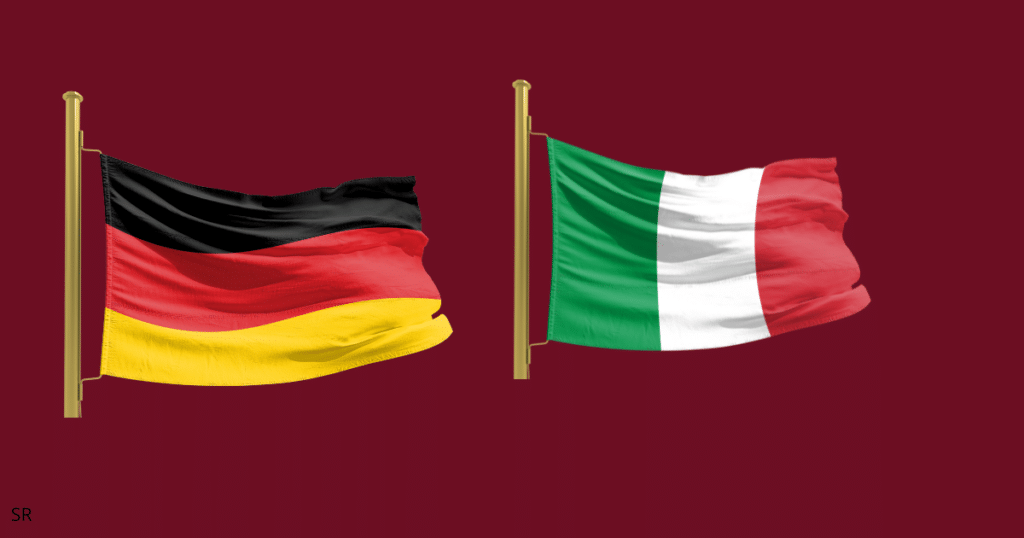
German culture leans toward precision, structure, and innovation, while Italian culture is more about food, art, fashion, and social expression. Both are amazing for immersion — Germany pulls you into order and discipline, while Italy sweeps you up with romance and lifestyle. Which one motivates you more really depends on whether you thrive on structure or passion.
When I spent a summer in Berlin, I noticed how everything “just worked.” Trains showed up on time (well, most of the time), recycling bins were color-coded, and even festivals like Oktoberfest had an organized chaos to them. German-speaking countries carry this vibe of efficiency and precision, and honestly, it can rub off on you. Studying German surrounded by that discipline made me more focused, almost like the culture held me accountable.
Italy felt like the total opposite. The first time I walked through Rome, I got swept into a three-hour lunch that turned into wine, laughter, and then a late-night stroll past the Colosseum. Italians live their culture — food, art, cinema, and fashion are everywhere. You don’t just learn Italian; you feel it when you bite into pizza in Naples or sip espresso in Florence. It’s less about rules and more about la dolce vita.
Travel immersion really shows the contrast:
- Berlin vs Rome: Berlin hits you with street art, modern history, and tech vibes. Rome? Layers of history, ancient ruins, and timeless romance.
- Alps vs Mediterranean: Hiking in Austria or Switzerland feels disciplined and outdoorsy, while southern Italy gives you beaches, pasta, and sunsets.
Which Culture Helps Motivation?
- German culture: If you’re the type who thrives on structure and discipline, the German mindset can keep you on track. The culture values precision, technology, and directness. It’s motivating if you like measurable progress.
- Italian culture: If you’re fueled by creativity and social expression, Italy makes learning feel fun. Food, art, and everyday conversations with locals feel like part of the classroom.
Takeaway: Germany motivates you with structure; Italy motivates you with passion. I’ll admit, I stayed more consistent in Germany, but I enjoyed the process more in Italy. In the end, it’s a personality thing: do you need order to push you forward, or lifestyle and creativity to keep you hooked?
German vs Italian in Media and Daily Life
German media is strong in philosophy, classical music, and technical fields, while Italian culture dominates global cinema, opera, and lifestyle media. Italian pops up more often in mainstream pop culture, but German offers depth in academic and engineering circles. Which language feels more “present” depends on whether you’re into Netflix binges or research journals.
When I first tried to “learn by watching,” German was a tough nut to crack. Sure, there are German shows on Netflix (Dark blew my mind), but a lot of German content leans serious — think philosophy texts, classical music, and dense engineering articles. It’s gold if you’re studying STEM or history, but not exactly light evening entertainment. I remember reading a German engineering magazine once and thinking, “Wow, I know these words, but my brain hurts.”
Italian, on the other hand, feels like it’s everywhere. From Fellini’s classic films to modern Netflix shows like Suburra or Gomorrah, Italian cinema has global recognition. And the music? Opera if you’re classy, Italian pop if you just want catchy. Even lifestyle media — food channels, travel vlogs, cooking shows — love sprinkling in Italian because it instantly feels stylish. I swear, even a random pasta commercial makes you want to practice your Italian.
Media Availability Breakdown
German strengths:
- Philosophy: thinkers like Nietzsche and Heidegger still show up in discussions.
- Classical music: Bach, Beethoven, and Mozart (Austrian, but German-speaking) dominate music history.
- Academic/engineering journals: tons of technical research still published in German.
Italian strengths:
- Cinema: global influence, from La Dolce Vita to Netflix dramas.
- Opera and pop: Pavarotti to modern Italian singers keep it alive.
- Lifestyle/travel: food shows, fashion documentaries, and tourism ads constantly use Italian.
Takeaway: If you want to soak up media for fun, Italian is easier — it’s stylish, mainstream, and everywhere from cooking shows to playlists. German shines if you’re chasing intellectual or professional content, but you’ll need to dig a little deeper to find casual, binge-worthy material. Personally, I found myself studying with German and relaxing with Italian.
Which Should You Learn First — German or Italian?
If you want a quick win, cultural immersion, and easy travel conversations, start with Italian. Go for German if your main goal is career growth, higher education, or living long-term in Central Europe. A lot of learners actually pick Italian first for confidence, then tackle German later when they’re ready for a tougher grind.
When I was deciding, I asked myself: “Do I want this for fun, or for my future job?” Honestly, Italian felt like a vacation language. Within a couple months I could order pizza, chat with locals, and watch movies without subtitles. That early success gave me a huge motivation boost. German? Not so forgiving. It took me way longer just to build a sentence without butchering the word order.
But here’s the thing — German has serious weight in Europe. If you plan to work in engineering, science, or business, it’s a power move. Employers respect it, and it connects you with three countries at once: Germany, Austria, and Switzerland. Italian, while gorgeous and fun, is more niche in terms of career payoff.
Quick Comparison
- Why Italian first:
- Faster to pick up (phonetic, familiar vocabulary).
- Keeps you motivated with quick wins.
- Perfect for travel, food, art, and cultural immersion.
- Why German first:
- Opens doors in Europe’s largest economy.
- Strong in STEM, research, and business.
- Useful for long-term relocation.
Takeaway: If you’re casual about language learning, Italian is the best starter. You’ll feel progress fast and enjoy the ride. But if you’re career-driven or planning to base your life in Central Europe, German gives you the bigger long-term return. Personally? I’d say: start with Italian for the fun… then gear up for German when you’re ready for the challenge.
Comparison Table — German vs Italian
| Feature | German | Italian |
|---|---|---|
| FSI Hours (Difficulty) | 900–1,100 (harder) | 600–750 (easier) |
| Speakers Worldwide | ~135 million | ~85 million |
| Career Usefulness | STEM, business, EU jobs | Tourism, fashion, arts, cuisine |
| Culture/Travel | Germany, Austria, Switzerland | Italy, Vatican, cultural tourism |
| Media Presence | Academic, technical, philosophy | Cinema, opera, pop culture |
Conclusion
German and Italian both offer incredible value, but in different ways. If your goal is career, STEM, and European mobility — choose German. If you want culture, travel, and a quicker win — choose Italian. Either way, you’re not just learning a language, you’re unlocking a lifestyle.
Call-to-Action:
Start learning today with a structured plan — whether it’s German’s discipline or Italian’s romance, your journey begins with the first lesson.
FAQ Section
Q1: Is German harder than Italian?
Yes, German grammar is more complex. Italian is faster for English speakers to pick up.
Q2: Which language is more useful for jobs?
German, especially in Europe’s business and engineering sectors.
Q3: Does Italian help outside Italy?
Yes, particularly in fashion, cuisine, and cultural industries, but less so in global business.
Q4: Which is better for travel — German or Italian?
Italian, since it enhances cultural immersion in Italy. German helps in Central Europe.
Q5: Can I learn both?
Yes. Many learners start with Italian (easier), then tackle German later.
